
Can You Use Mouth Tape with a CPAP Machine? A Sleep Tech Guide
Quick Answer
Yes, some people can use mouth tape with CPAP therapy, particularly those who use a nasal mask and experience mouth leaks during sleep.
However, mouth tape is not appropriate for everyone. Safe use depends on your ability to breathe comfortably through your nose, the type of CPAP mask you use, and guidance from your healthcare provider.
The goal of mouth taping is not to treat sleep apnea. Instead, it may help reduce CPAP mouth leaks, improve comfort, and support more consistent therapy for select users.
Table of Contents
- What Is a CPAP Mouth Leak?
- Why Mouth Leaks Matter
- Can Mouth Tape Work with CPAP?
- Who May Benefit from Mouth Tape with CPAP?
- Safety Considerations Before Using Mouth Tape
- CPAP Chin Strap vs Tape
- Mouth Tape vs Switching to a Full Face Mask
- How to Try Mouth Tape Safely with CPAP
- Other Ways to Reduce CPAP Mouth Leaks
- Final Verdict
- FAQ
What Is a CPAP Mouth Leak?
A CPAP mouth leak occurs when pressurized air escapes through the mouth during sleep instead of remaining within the airway.
This issue is most common among people who use:
- Nasal CPAP masks
- Nasal pillow masks
- Hybrid masks
- CPAP users who naturally sleep with an open mouth
When the mouth opens during sleep, therapeutic airflow may escape before it can effectively support the airway.
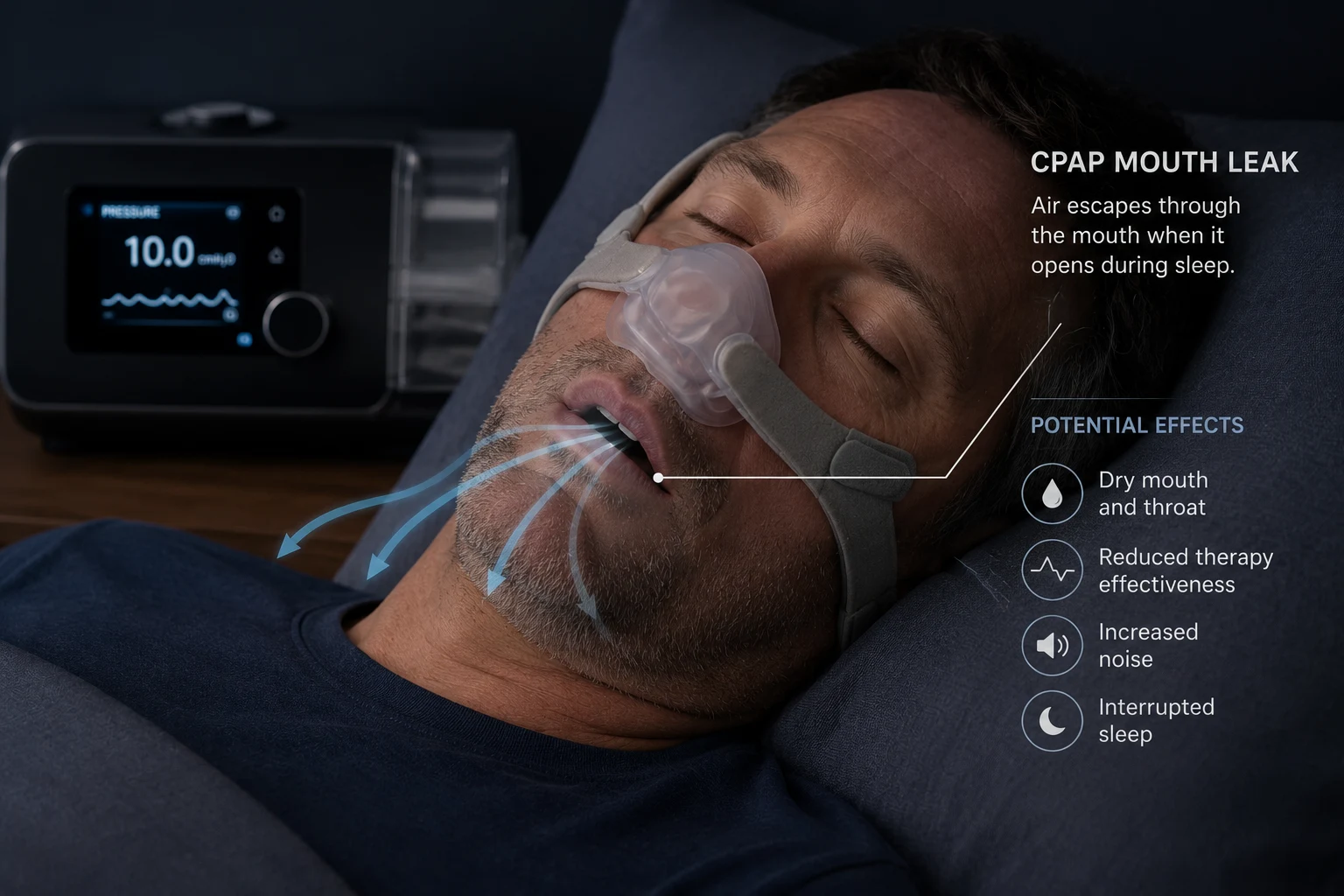
Common signs include:
- Dry mouth upon waking
- Air escaping through the lips
- Increased leak scores in CPAP reports
- Morning thirst
- Noisy airflow during sleep
- Reduced comfort from CPAP therapy
Many CPAP users who experience mouth leaks are also habitual mouth breathers. If you’re unsure whether mouth breathing may be affecting your sleep, read our guide on Mouth Breathing Side Effects: What Happens to Your Face Over Time.
Why Mouth Leaks Matter
Many CPAP users assume mouth leaks are simply annoying. In reality, they can affect both comfort and treatment quality.
Potential consequences include:
- Dry mouth and throat
- Fragmented sleep
- Increased mask noise
- Reduced comfort
- Difficulty maintaining prescribed pressure
How CPAP Pressure Is Designed to Work
A CPAP machine works by delivering a continuous stream of pressurized air that helps keep the upper airway open during sleep.
When air escapes through the mouth, some of that pressure can be lost before it reaches the airway.
Think of it like a small leak in an inflated tire—the system may still function, but it has to work harder to maintain the intended pressure.
Large or persistent leaks may:
- Reduce treatment effectiveness
- Trigger unnecessary pressure adjustments
- Increase sleep disruptions
- Cause excessive dryness
This is why identifying and managing leaks is an important part of optimizing CPAP therapy.
Can Mouth Tape Work with CPAP?
For some users, yes.
Mouth tape is designed to encourage the lips to remain gently closed during sleep.

For people using a nasal CPAP mask, this may help:
- Reduce mouth leaks
- Encourage nasal breathing
- Improve comfort
- Reduce morning dry mouth
- Improve consistency of therapy
It is important to understand that mouth tape is a comfort and leak-management tool—not a replacement for CPAP treatment.
If your CPAP settings, mask fit, or therapy plan are not optimized, mouth tape alone will not solve the underlying issue.
If you’re new to mouth taping, it’s worth understanding both the potential benefits and limitations before using it alongside CPAP therapy. Our guide to Mouth Tape for Sleeping: Benefits, Risks & How to Start Safely provides a complete overview.
Who May Benefit from Mouth Tape with CPAP?
Some CPAP users may find mouth tape helpful if they:
Use a Nasal Mask
Nasal masks rely on airflow entering through the nose. If the mouth opens repeatedly during sleep, therapy may become less effective.
Research increasingly suggests that nasal breathing may support better sleep quality and airway function. Learn more in Benefits of Nasal Breathing During Sleep.
Wake Up with Dry Mouth
Persistent dryness is often a sign that air is escaping through the mouth overnight.
Breathe Comfortably Through the Nose
Successful mouth taping generally requires:
- Clear nasal passages
- Comfortable nasal breathing
- Minimal nighttime congestion
Have Already Addressed Mask Fit
Before considering mouth tape, mask leaks should be ruled out as the primary cause of airflow loss.
Safety Considerations Before Using Mouth Tape with CPAP
While many CPAP users successfully use mouth tape, safety should always come first.
Before trying mouth tape:
- Never use ordinary household tape.
- Choose sleep-specific tape designed for overnight use.
- Select products that are easy to remove.
- Look for skin-friendly materials.
- Follow manufacturer instructions carefully.
Do not use mouth tape if you:
- Cannot breathe comfortably through your nose
- Have significant nasal congestion
- Have a respiratory infection
- Have severe sinus issues
- Feel anxious or claustrophobic when the mouth is covered
- Have been advised against it by your physician
In rare situations, such as a power outage or CPAP machine malfunction, users should be able to remove the tape quickly and breathe normally.
For this reason, many sleep professionals recommend starting with a CPAP chin strap before considering mouth tape.
Mouth tape should be viewed as a comfort accessory—not a substitute for CPAP therapy or medical treatment.
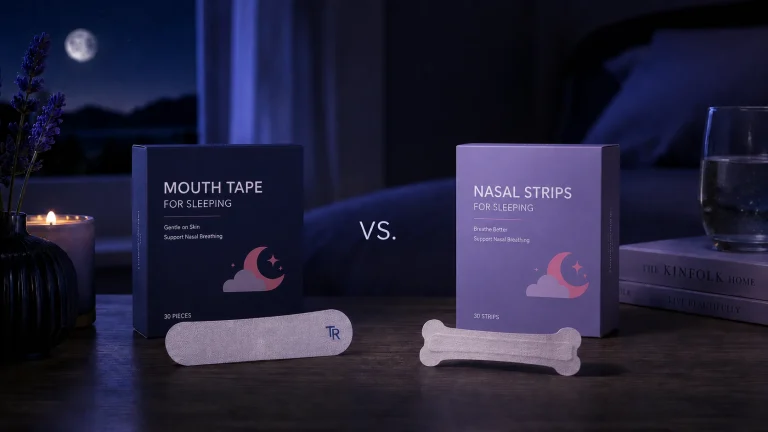
Some people may find that improving nasal airflow is a better first step than mouth taping. In those cases, comparing Mouth Tape vs Nasal Strips may help identify the most appropriate solution.
CPAP Chin Strap vs Tape
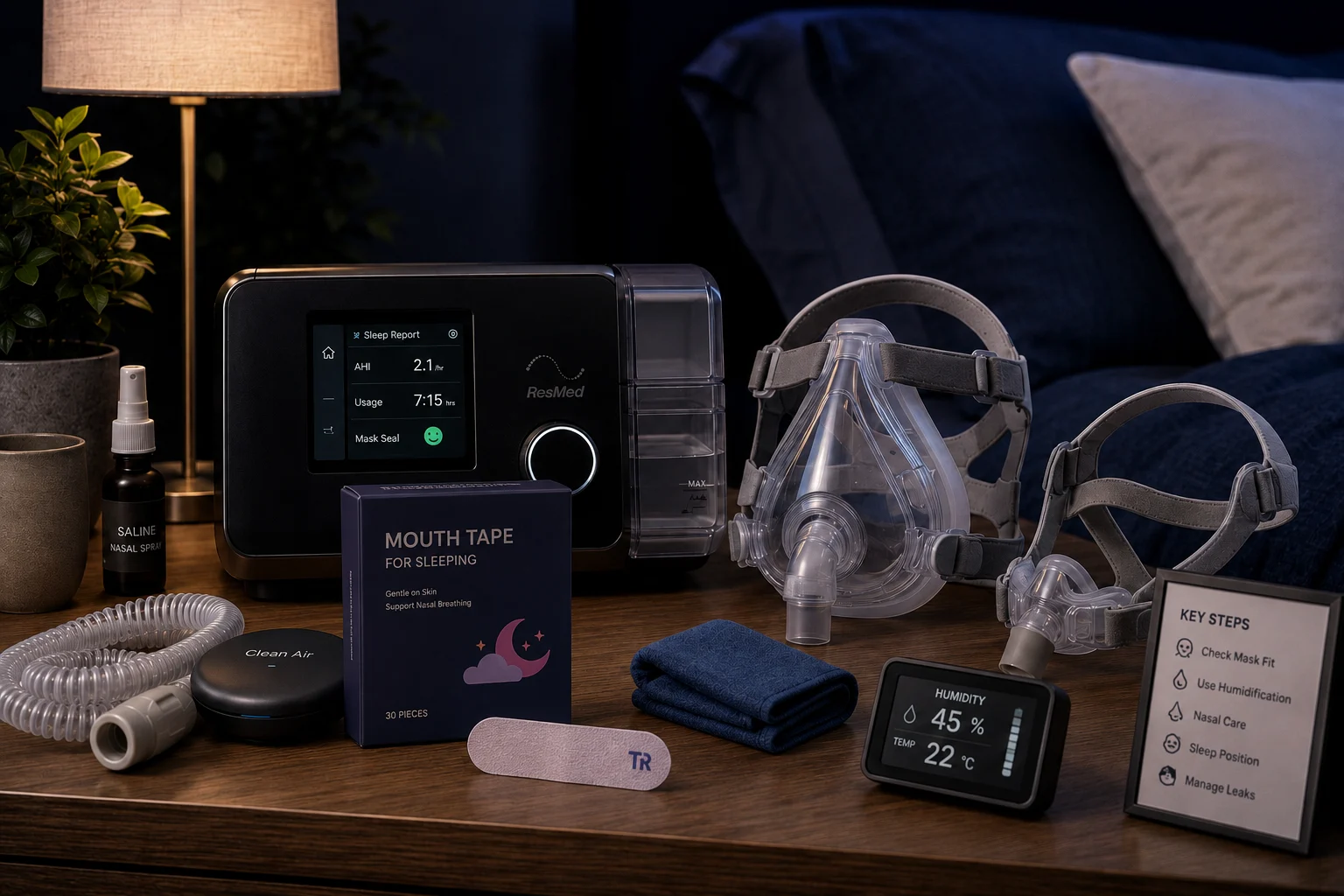
Many users compare a CPAP chin strap with mouth tape when trying to reduce mouth leaks.
CPAP Chin Strap
Pros
- Non-adhesive
- Reusable
- Easy to remove
- Often recommended as a first intervention
Cons
- May shift during sleep
- Can feel bulky
- Doesn’t always prevent lip leaks
Mouth Tape
Pros
- Lightweight
- Minimal equipment
- Directly addresses lip opening
- Often preferred by experienced nasal breathers
Cons
- Requires adhesive
- May irritate sensitive skin
- Not suitable for everyone
Which Is Better?

| Situation | Better Option |
|---|---|
| Sensitive skin | Chin strap |
| First-time CPAP user | Chin strap |
| Mild jaw drop | Chin strap |
| Persistent lip leaks | Mouth tape may help |
| Minimal gear preference | Mouth tape |
Many users try a chin strap first and only explore mouth tape if leaks continue.
Mouth Tape vs Switching to a Full Face Mask
For some CPAP users, a full face mask may be a simpler solution than mouth taping.
A full face mask covers both the nose and mouth, allowing therapy to continue even if the mouth opens during sleep.
| Option | Best For |
| Mouth Tape | Occasional mouth leaks |
| Chin Strap | Mild jaw drop |
| Full Face Mask | Habitual mouth breathers |
| Nasal Mask + Tape | Strong nasal breathers |
The best solution depends on the source of the leak rather than the severity of symptoms alone.
If you consistently breathe through your mouth, discussing a full face mask with your sleep specialist may be worthwhile.
How to Try Mouth Tape Safely with CPAP
If your healthcare provider approves, consider the following process.
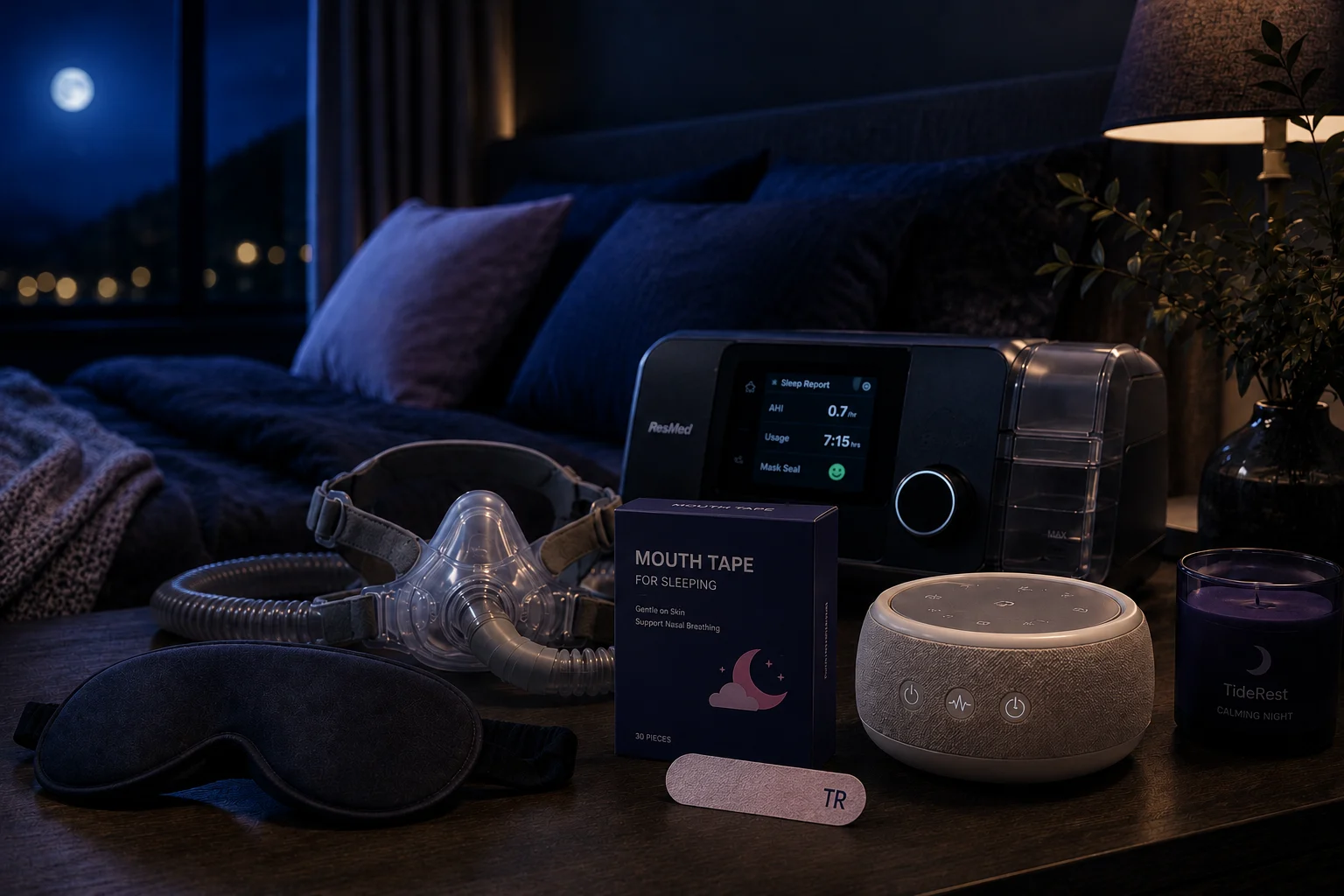
Step 1: Confirm Nasal Breathing
Make sure you can comfortably breathe through your nose before bed.
If nasal breathing feels difficult while awake, address congestion first.
Step 2: Verify Mask Fit
Many suspected mouth leaks are actually mask leaks.
Check:
- Cushion condition
- Headgear tension
- Mask sizing
- Seal quality
Step 3: Choose Sleep-Specific Mouth Tape
Look for:
- Gentle adhesive
- Easy removal
- Skin-safe materials
- Overnight comfort
Avoid ordinary household tape.
Step 4: Test During a Short Rest
Some users prefer testing mouth tape during a nap before overnight use.
This allows them to evaluate comfort and confidence.
Step 5: Review Results
Track:
- Dry mouth symptoms
- CPAP leak reports
- Sleep quality
- Overall comfort
If discomfort occurs, discontinue use and consult your healthcare provider.
Other Ways to Reduce CPAP Mouth Leaks
Mouth tape is only one potential solution.
Increase Humidification
Dry air can contribute to mouth breathing and discomfort.
Optimizing humidity settings may help.
Address Nasal Congestion
Consider discussing:
- Allergies
- Nasal obstruction
- Chronic congestion
with your healthcare provider.
Adjust Sleep Position
Many people experience fewer leaks while side sleeping compared with sleeping on their back.
Upgrade Your Mask
A different mask style may solve leak issues more effectively than accessories.

Improving your overall sleep environment can also support CPAP comfort. Factors such as noise, light exposure, and bedroom temperature can all influence sleep quality. See our guide on How to Build the Perfect Sleep Environment.
Final Verdict
Yes, some people can successfully use mouth tape with CPAP therapy.
It may be particularly helpful for users who:
- Use a nasal mask
- Experience mouth leaks
- Wake up with dry mouth
- Can breathe comfortably through their nose
However, mouth tape is not suitable for everyone and should never replace prescribed CPAP treatment.
The best progression is usually:
- Verify mask fit.
- Address nasal congestion.
- Consider a chin strap.
- Discuss mouth taping with your sleep clinician if leaks persist.
When used appropriately, mouth tape may help reduce CPAP mouth leaks, improve comfort, and support more consistent sleep therapy.
 FAQ
FAQ
 References
- American Academy of Sleep Medicine (AASM)
- National Heart, Lung, and Blood Institute (NHLBI)
- American Thoracic Society
- Sleep Foundation
- ResMed CPAP Therapy Resources
 Additional Compliance Note
Mouth taping should never replace prescribed CPAP therapy. If you experience breathing difficulties, persistent mask leaks, or discomfort during treatment, consult your sleep physician before making changes to your sleep apnea management plan.