
Sleep Hygiene Checklist 2026: The Only 10 Things That Matter
Introduction
A proper sleep hygiene checklist can improve sleep quality by helping your brain and body maintain a more stable nighttime rhythm.
In 2026, sleep researchers continue to emphasize that better sleep is usually built through consistent habits — not just supplements, gadgets, or viral “sleep hacks.”
If your sleep feels inconsistent, restless, or difficult to maintain, this guide covers the 10 evidence-based bedtime habits that matter most.
Unlike overwhelming “perfect routine” advice online, this checklist focuses only on the highest-impact behaviors supported by modern sleep science.
Quick Answer: What Is a Sleep Hygiene Checklist?
A sleep hygiene checklist is a set of daily and nighttime habits designed to support consistent, restorative sleep.
The most important sleep hygiene habits include:
- Keeping a consistent sleep schedule
- Getting morning light exposure
- Limiting caffeine late in the day
- Reducing evening stimulation
- Creating a cool, dark sleep environment
- Following calming bedtime habits
Good sleep hygiene does not “force” sleep.
Instead, it helps your body maintain healthy circadian rhythm signals that make sleep feel more natural and sustainable.
Why Sleep Hygiene Still Matters in 2026
Modern sleep problems are increasingly linked to lifestyle disruption rather than simply “not trying hard enough to sleep.”
Common contributors include:
- Late-night screen exposure
- Irregular schedules
- Constant stress activation
- Excessive digital stimulation
- Poor light exposure patterns
- Overreliance on quick-fix sleep aids
Research from the Sleep Foundation and the National Institutes of Health continues to show that sleep quality is strongly influenced by behavioral consistency and environmental signals.
👉 The goal of sleep hygiene is to reduce “mixed signals” that confuse the brain’s sleep-wake system.
The Only 10 Sleep Hygiene Habits That Actually Matter
1. Wake Up at the Same Time Every Day
Your wake-up time is often more important than your bedtime.

Consistent wake times help regulate:
- circadian rhythm
- melatonin timing
- sleep pressure
- morning cortisol rhythm
Even on weekends, try to keep your wake-up time within 30–60 minutes of your normal schedule.
👉 Irregular sleep timing is one of the fastest ways to disrupt sleep quality.
2. Get Morning Light Within 30 Minutes of Waking
Morning light exposure helps anchor your biological clock.
Natural outdoor light:
- increases daytime alertness
- supports evening melatonin production
- improves circadian rhythm alignment
Aim for:
- 5–10 minutes in bright sunlight
- 15–30 minutes on cloudy days
This is one of the most evidence-supported sleep habits available — and it costs nothing.
3. Stop Caffeine Earlier Than You Think
Caffeine can remain active in the body for 6–10 hours.

For many adults, caffeine after 2 PM may reduce:
- sleep depth
- total sleep time
- sleep efficiency
Common hidden caffeine sources include:
- pre-workouts
- chocolate
- energy drinks
- green tea
- “healthy” sparkling beverages
Many people think caffeine “doesn’t affect them” because they can still fall asleep after drinking it.
But caffeine may quietly reduce deep sleep quality even when sleep onset feels normal.
👉 If you struggle with falling asleep or waking up unrefreshed, caffeine timing is one of the first variables worth testing.
4. Dim Your Environment 1–2 Hours Before Bed
Your brain uses darkness as a sleep signal.
Bright evening light — especially blue-enriched light — may suppress melatonin production and delay sleepiness.
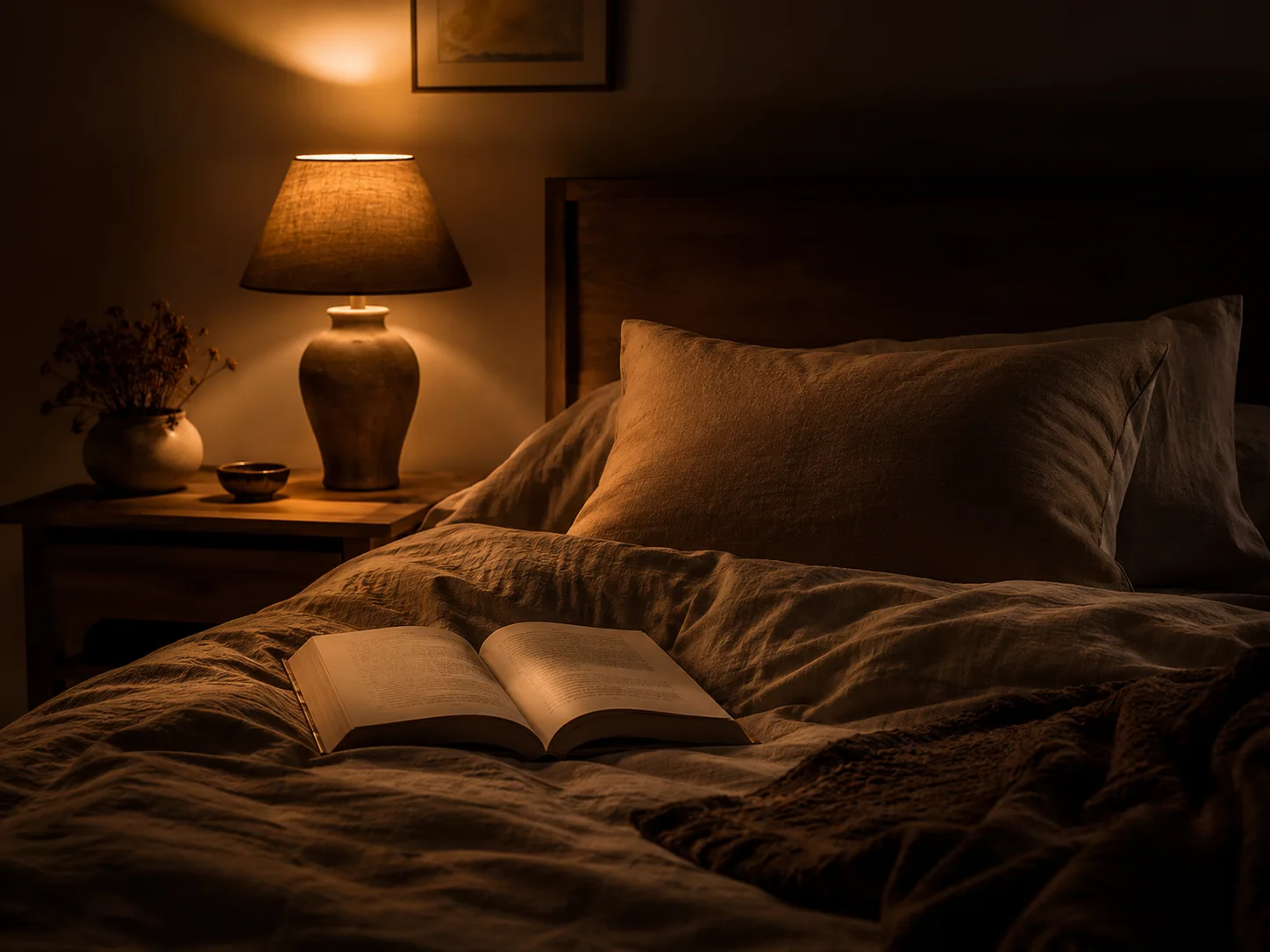
Helpful bedtime lighting adjustments include:
- dim lamps instead of overhead lighting
- warmer color temperatures
- reduced screen brightness
- avoiding intense LED lighting late at night
However, modern sleep researchers increasingly believe the problem is not just screen light — it’s also the stimulation inside the screen.
Endless scrolling, emotional news cycles, short-form videos, and social media engagement may keep the nervous system alert long after the device is turned off.
👉 In many cases, calming your information intake matters just as much as dimming your screen.
5. Keep Your Bedroom Cool
Most people sleep best in a slightly cool environment.
Sleep experts commonly recommend:
- approximately 60–67°F (15.5–19.5°C)
But comfort matters too.
The ideal sleep temperature should feel comfortably cool — not cold, sweaty, or stuffy under your bedding.
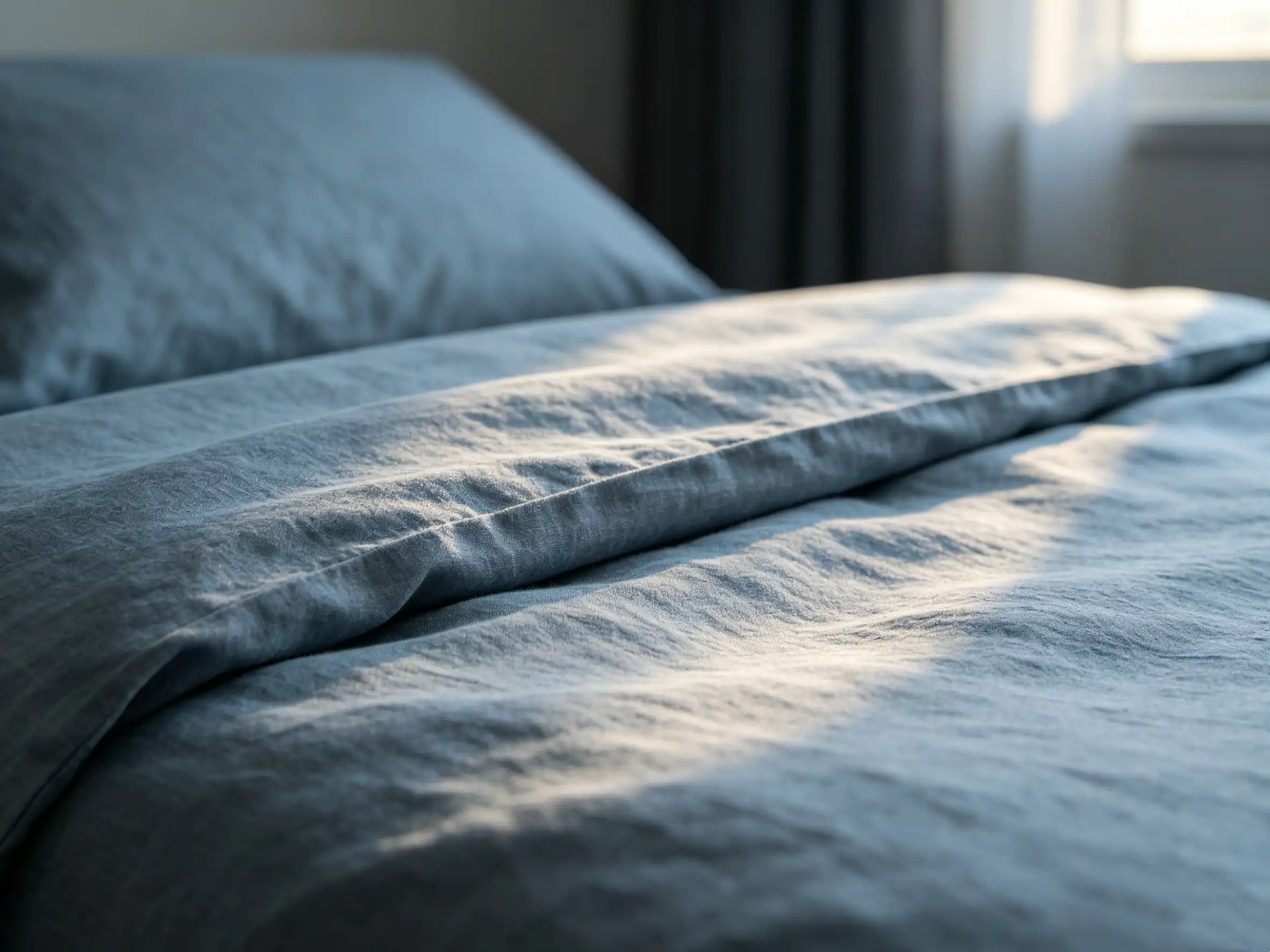
A cooler room may help:
- reduce nighttime wakeups
- support deeper sleep stages
- improve overall sleep comfort
Overheating is one of the most overlooked causes of fragmented sleep.
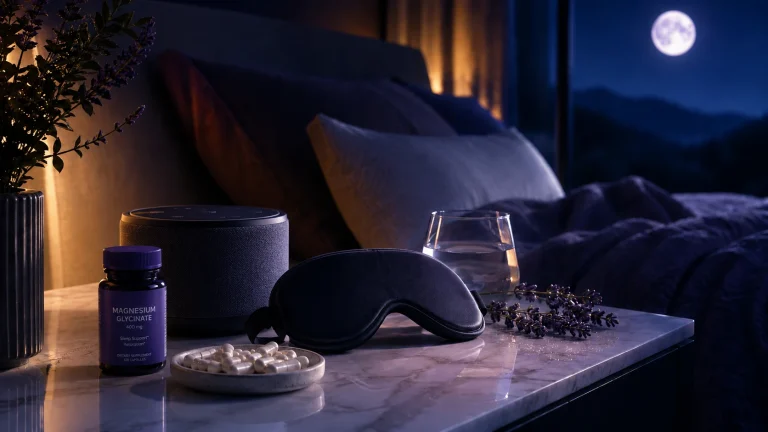
6. Reduce Noise and Light Disruptions
Even small environmental disturbances can affect sleep continuity.
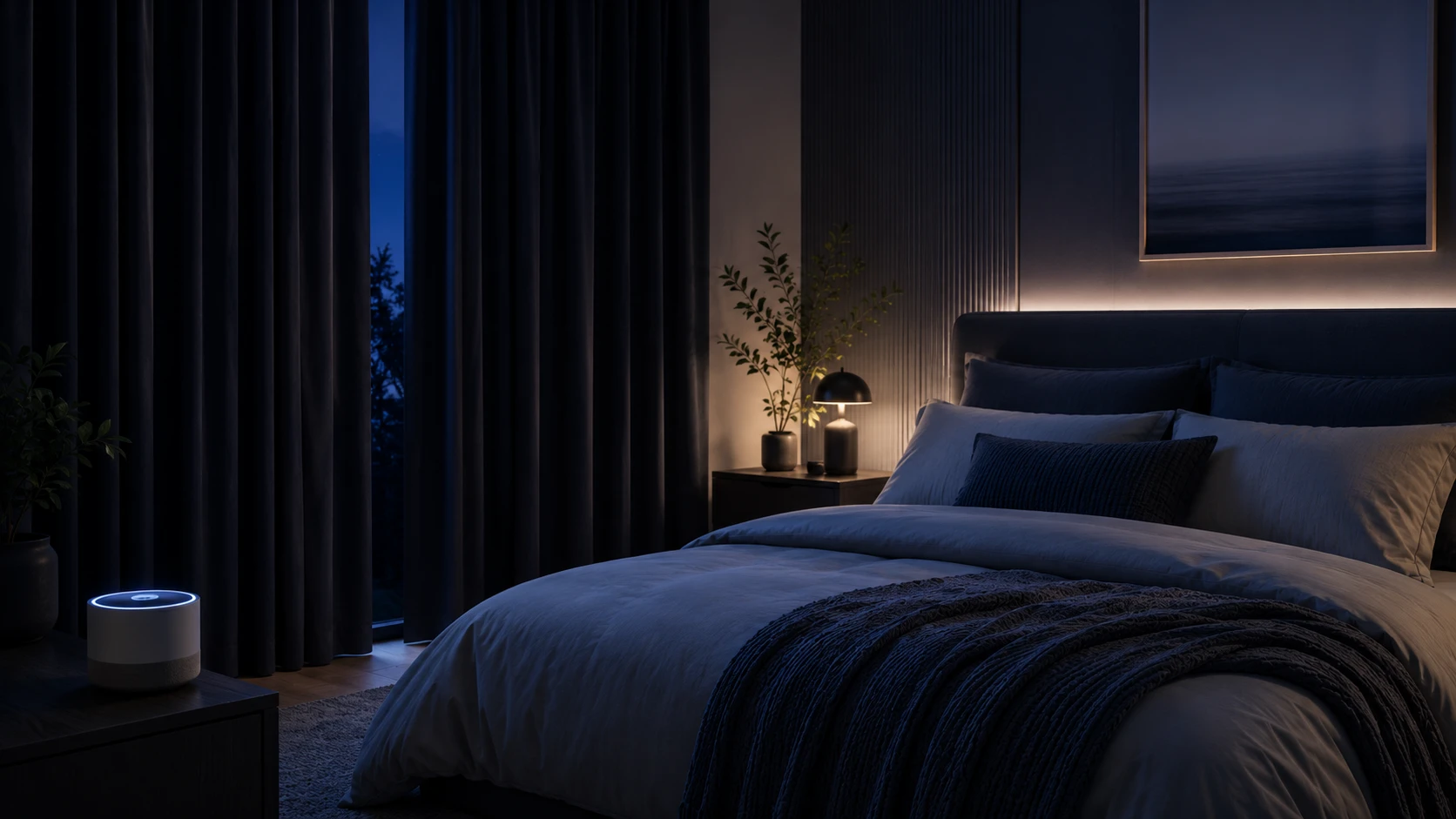
Helpful sleep environment upgrades may include:
- blackout curtains
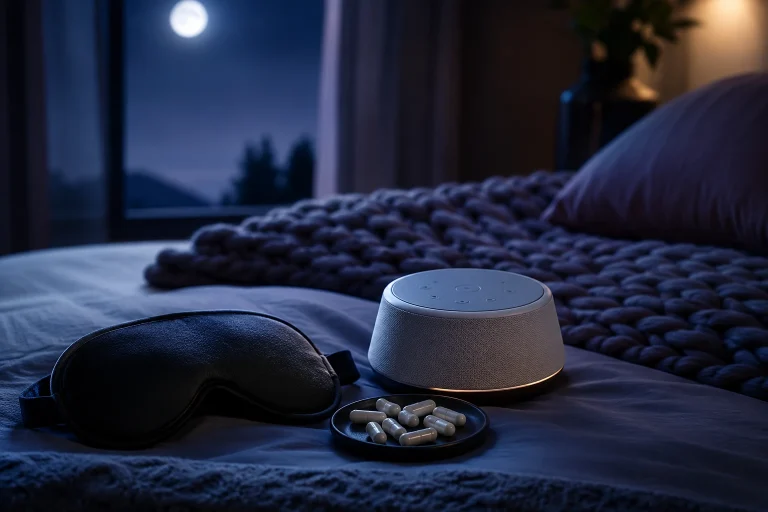
- white noise machines
- earplugs
- sleep masks
For many people, reducing micro-awakenings improves sleep quality more than increasing total sleep duration.
👉 This is where physical sleep optimization tools can naturally support healthy sleep hygiene.
7. Avoid “Revenge Bedtime Procrastination”
Many adults stay awake late to reclaim personal time after stressful days.
This behavior often leads to:
- delayed sleep timing
- inconsistent circadian rhythm
- reduced total sleep
Modern sleep experts also note that stimulating nighttime content may amplify the problem.
Even when your body feels tired, emotionally activating content can keep your nervous system in a heightened alert state.
Instead of forcing a strict bedtime, create a low-pressure nighttime transition ritual.
Examples:
- reading
- stretching
- breathing exercises
- calming audio
- journaling
Your brain responds better to gradual downshifting than abrupt “sleep commands.”
8. Don’t Turn Your Bed Into an Office
Your brain forms associations with environments.
When the bed becomes linked to:
- work
- scrolling
- stress
- gaming
- emotional stimulation
…it becomes harder for the nervous system to associate the bedroom with sleep.
Sleep researchers often recommend using the bed primarily for:
- sleep
- intimacy
- relaxation
This principle is part of stimulus control therapy, a core insomnia treatment approach.
9. Build a Repeatable Wind-Down Routine
A consistent pre-sleep routine helps the nervous system transition from alertness to recovery mode.

A simple sleep routine checklist may include:
- dim lights
- light stretching
- magnesium glycinate
- shower or skincare routine
- calming audio
- avoiding stressful conversations
- preparing the room for sleep
The exact activities matter less than consistency.
👉 Repetition helps train the brain to expect sleep.
10. Stop Chasing “Perfect Sleep”
Ironically, obsessing over sleep often worsens it.
Sleep anxiety can increase:
- nighttime hyperarousal
- clock-watching
- stress hormones
- frustration around sleep
Healthy sleep hygiene is about improving sleep conditions — not controlling sleep perfectly.
Most people sleep better when they reduce pressure around sleep itself.
Sleep Hygiene Myth: It’s Not Just About Blue Light
Many people assume sleep problems are caused only by screen light exposure.
But newer sleep research suggests the stimulation inside digital content may be equally disruptive.
Short-form videos, emotional news, endless scrolling, and social media engagement can increase mental arousal and delay the nervous system’s transition into rest mode.
👉 In many cases, calming your information intake matters just as much as dimming your screen.
This shift represents one of the biggest changes in modern sleep hygiene thinking.
The Best Sleep Hygiene Checklist (Printable Summary)
Morning
- Wake up at a consistent time
- Get outdoor light exposure
- Move your body early in the day
Afternoon
- Limit late caffeine
- Avoid excessive naps
- Get some natural daylight exposure
Evening
- Dim lights 1–2 hours before bed
- Reduce stimulating content
- Keep the bedroom cool and dark
- Follow a calming nighttime routine
- Avoid stress-driven late-night scrolling
What Sleep Hygiene Alone Cannot Fix
Sleep hygiene can meaningfully improve sleep quality, but it is not a cure-all.
Persistent sleep issues may involve:
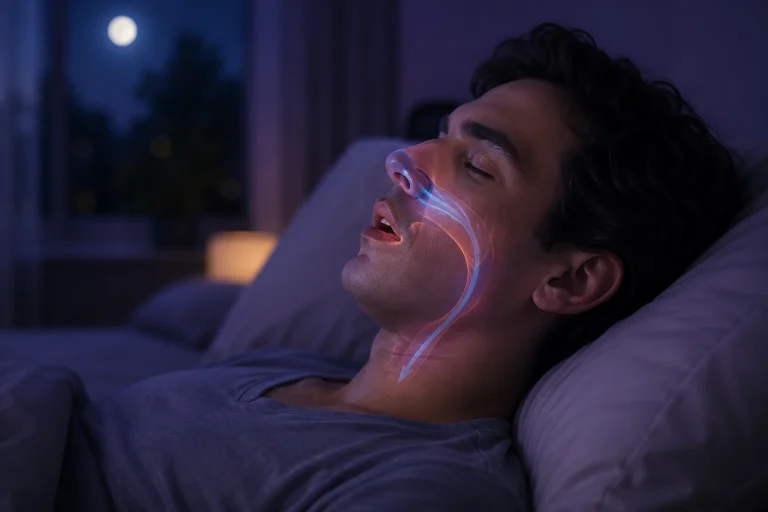
- sleep apnea
- chronic insomnia
- anxiety disorders
- circadian rhythm disorders
- medication side effects
- underlying medical conditions
Consider professional evaluation if you regularly experience:
- loud snoring
- gasping during sleep
- severe daytime fatigue
- chronic insomnia symptoms
- frequent nighttime awakenings
How TideRest Approaches Better Sleep
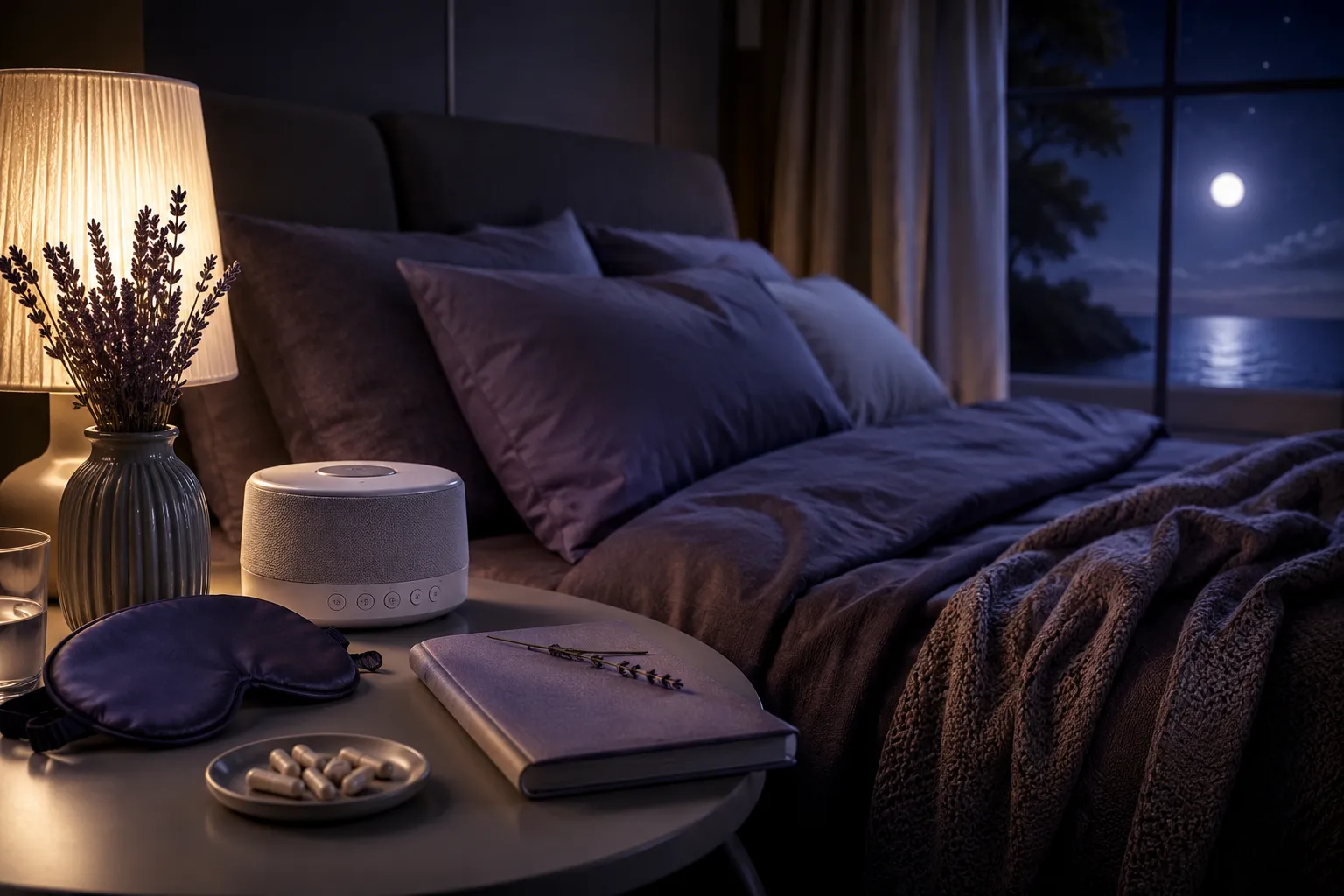
At TideRest, we view better sleep as a combination of:
- nervous system support
- physical sleep optimization
- environmental design
- sustainable nightly habits
That means sleep products should support — not replace — healthy sleep hygiene foundations.
Helpful tools may include:
- 3D contoured sleep masks
- white noise machines
- calming nighttime routines
- melatonin-free sleep support options
The goal is not sedation.
The goal is creating a more restorative sleep environment.
Final Verdict
The best sleep hygiene checklist is usually simpler than people expect.
You do not need an extreme “sleepmaxxing” routine to improve sleep quality.
For most adults, the biggest improvements come from:
- consistent wake times
- better light exposure
- reduced evening stimulation
- calmer nighttime routines
- improved sleep environment consistency
Small habits repeated consistently often outperform complicated sleep hacks.
Explore Better Sleep Habits Naturally
Want to build a calmer nighttime routine?
Explore TideRest sleep wellness essentials designed to support:
- darker sleep environments
- calmer evenings
- melatonin-free sleep support
- restorative nighttime routines
→ Discover Natural Sleep Support
 FAQ Section
 References & Sources
- Sleep Foundation — Sleep Hygiene & Sleep Environment Research
- National Institutes of Health — Sleep and Circadian Rhythm Research
- Centers for Disease Control and Prevention — Healthy Sleep Recommendations
- American Academy of Sleep Medicine — Behavioral Sleep Recommendations
 Compliance Note
These statements have not been evaluated by the FDA. TideRest products are not intended to diagnose, treat, cure, or prevent any disease.