Sunrise Alarm Clock Benefits: Wake Up Light vs Traditional Alarms
Introduction
A sunrise alarm clock may offer a gentler alternative to traditional alarms by using gradually increasing light instead of relying only on a sudden sound signal.
The main sunrise alarm clock benefits come from mimicking natural morning light exposure, which helps signal that it is time for the body to transition toward wakefulness.
Traditional alarms are effective at waking people up, but they often create an abrupt transition from sleep to alertness. A wake-up light takes a different approach: it attempts to work with the body’s natural circadian system rather than interrupting it suddenly.
This guide compares sunrise alarm clocks vs traditional alarms, explains how light therapy alarms work, and helps you decide which option may fit your sleep routine.
Sunrise Alarm Clock vs Traditional Alarm: Quick Answer
A sunrise alarm clock uses gradually increasing light before wake time, while a traditional alarm typically uses a sudden sound to wake you.

The key difference:
| Sunrise Alarm Clock | Traditional Alarm | |
|---|---|---|
| Main signal | Gradual light exposure | Sudden sound |
| Wake-up process | Progressive transition | Immediate interruption |
| Biological focus | Supports morning light cues | Primarily creates awareness |
| Best for | People who dislike abrupt waking or wake in darkness | People who need a simple reliable alarm |
A sunrise alarm is not necessarily “better” for everyone. However, it provides an additional environmental signal that traditional alarms do not: morning light exposure.
How Sunrise Alarm Clocks Work
Sunrise alarm clocks are designed around a simple idea: morning light is one of the strongest environmental signals influencing the body’s internal clock.
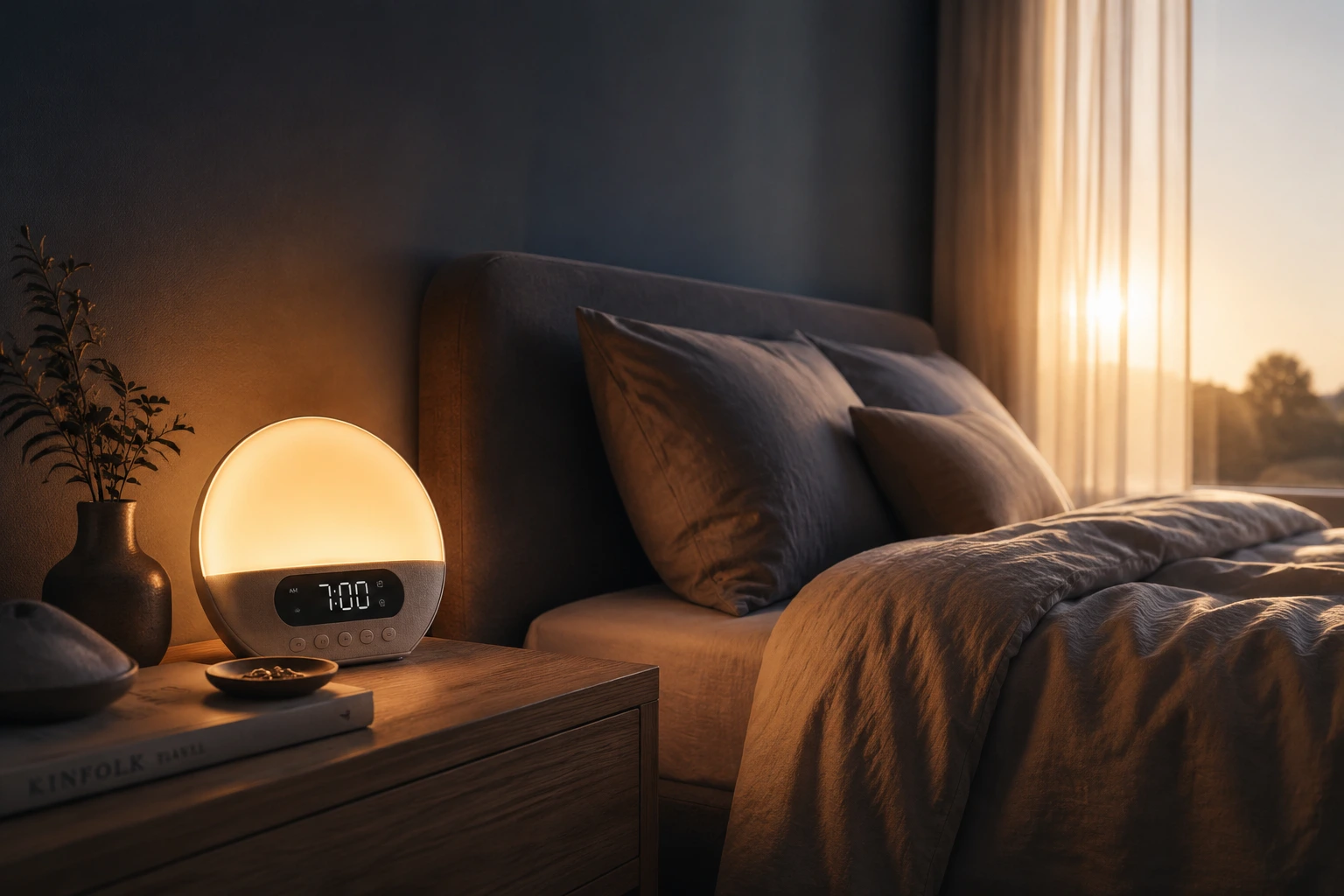
Instead of turning on instantly, a wake-up light gradually increases brightness over a preset period, often 20–60 minutes before the alarm time.
This gradual transition may help create a more natural waking experience by:
Simulating Dawn Light
Natural sunrise gradually changes from darkness to increasing brightness. Sunrise alarms recreate this pattern indoors, especially useful during:
- winter months
- dark bedrooms
- early morning schedules
- locations with limited morning sunlight
Providing a Morning Circadian Signal
Light exposure is one of the primary cues that helps regulate circadian rhythm — the 24-hour biological system controlling sleep and wake timing.
Morning light generally provides a stronger “daytime signal” than evening light, helping reinforce a regular sleep-wake schedule.
Supporting the Transition From Sleep to Wakefulness
A sudden alarm forces an immediate state change.
A sunrise alarm creates a longer transition window where light exposure begins before the sound alarm, allowing waking to feel less abrupt for some users.
What Science Says About Wake-Up Light Benefits
Research on morning light exposure suggests that appropriately timed light can influence circadian timing, alertness, and sleep-wake patterns.
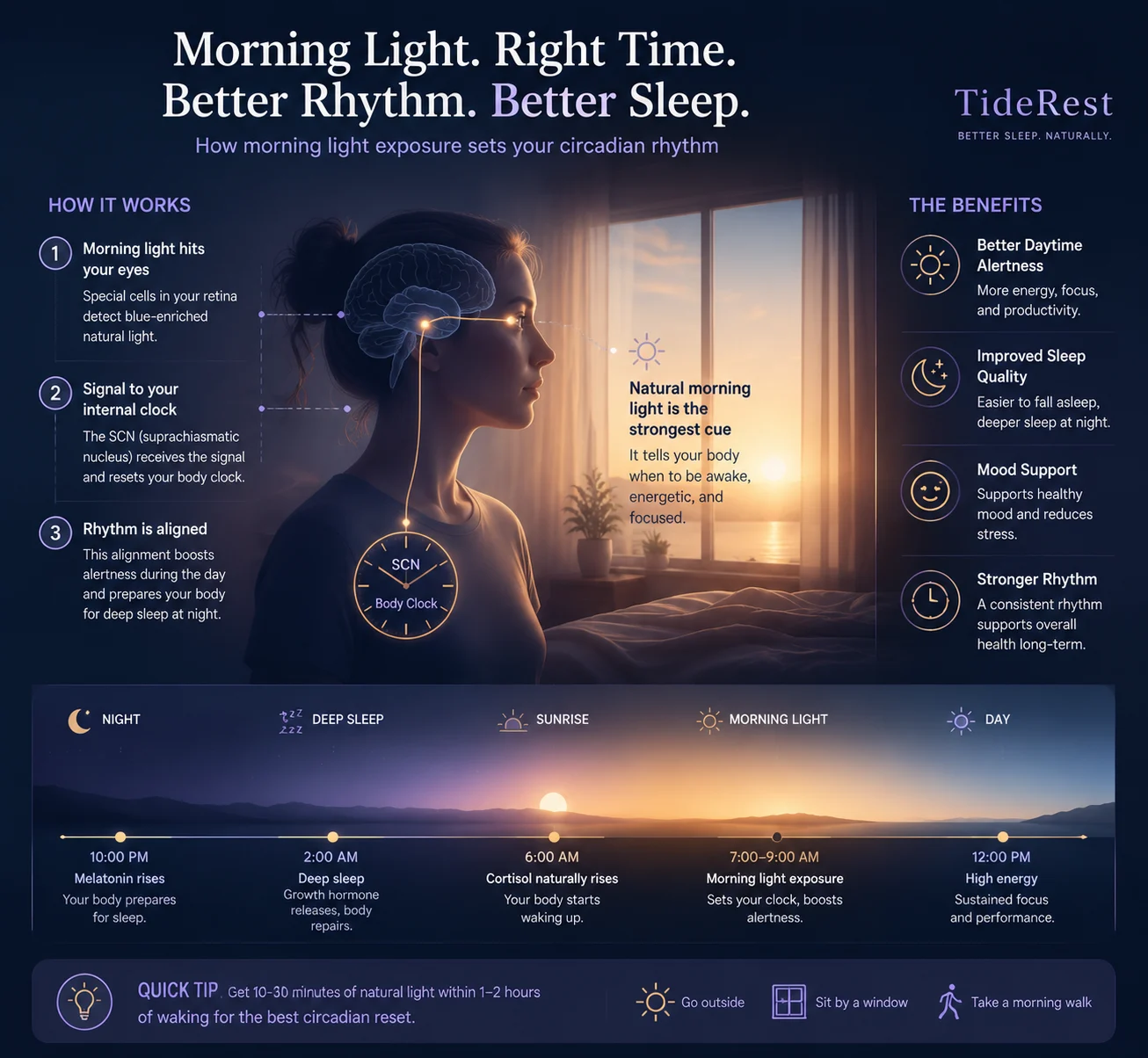
A review published in Sleep Medicine Reviews found that light exposure is one of the strongest external factors affecting circadian rhythms.
Research on simulated dawn devices has also explored their potential effects on:
- morning alertness
- mood during darker seasons
- sleep-wake timing
However, it is important to separate evidence from marketing claims.
A sunrise alarm clock is not a treatment for insomnia or sleep disorders. Its primary role is environmental: providing a consistent morning light cue.
The strongest evidence relates to:
- improving exposure to morning light
- supporting regular sleep schedules
- helping people who experience difficulty waking in darkness
Sunrise Alarm Clock vs Traditional Alarm: Key Differences
The biggest difference between these two alarm types is not volume — it is the type of signal they provide.
1. Light Signal vs Sound Signal
Traditional alarms mainly answer:
“How do I wake up right now?”
Sunrise alarms answer:
“How can I prepare my body to wake up?”
Sound remains effective, but light provides additional biological information.
2. Abrupt Wake-Up vs Gradual Transition
Traditional alarm:
Sleep → Alarm Sound → WakeSunrise alarm:
Sleep → Increasing Light → Natural Transition → WakeFor some people, this gradual process feels more comfortable, especially if they regularly wake from deep sleep.
3. Bedroom Environment Impact
Traditional alarms are often treated as purely functional devices.
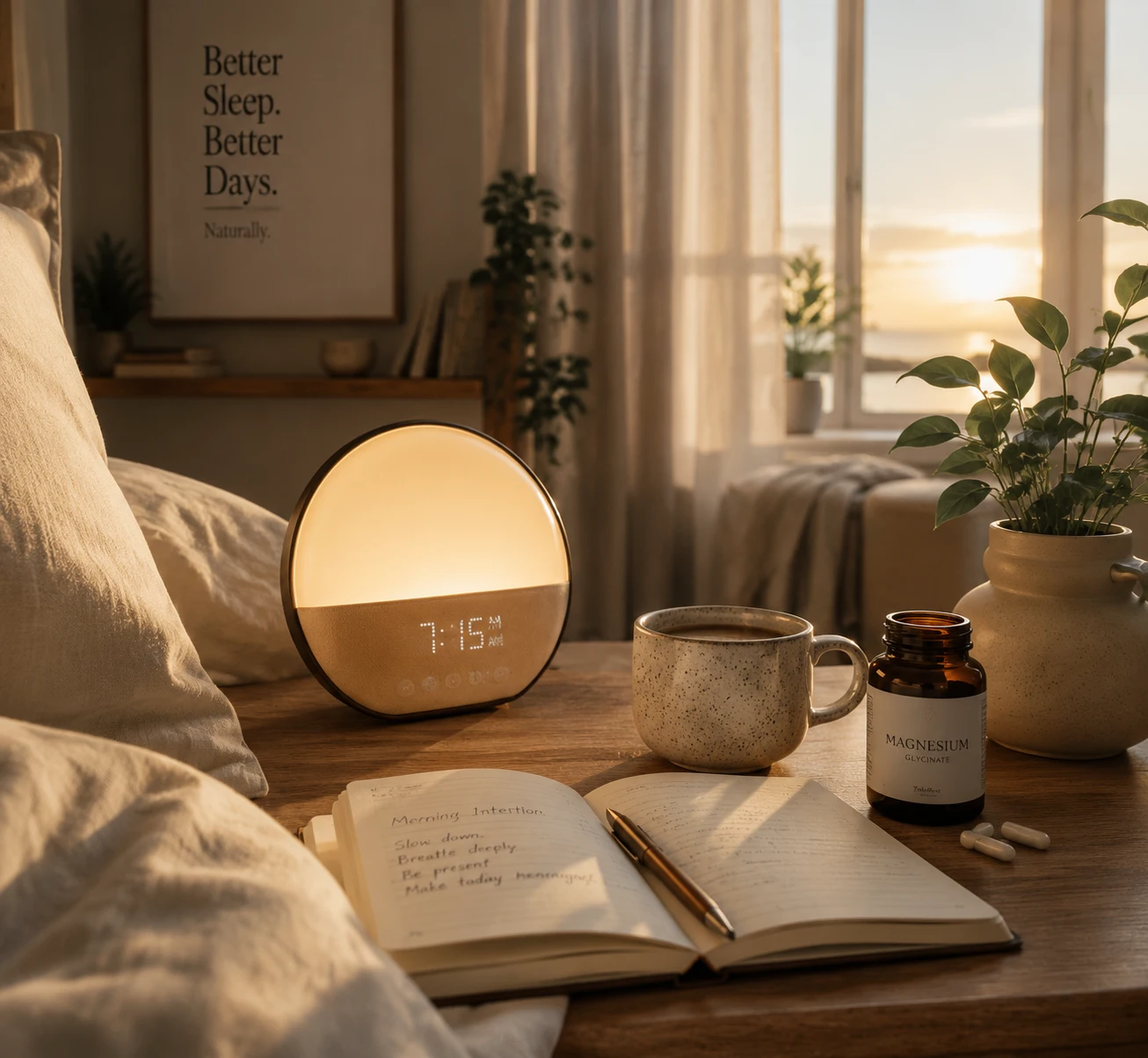
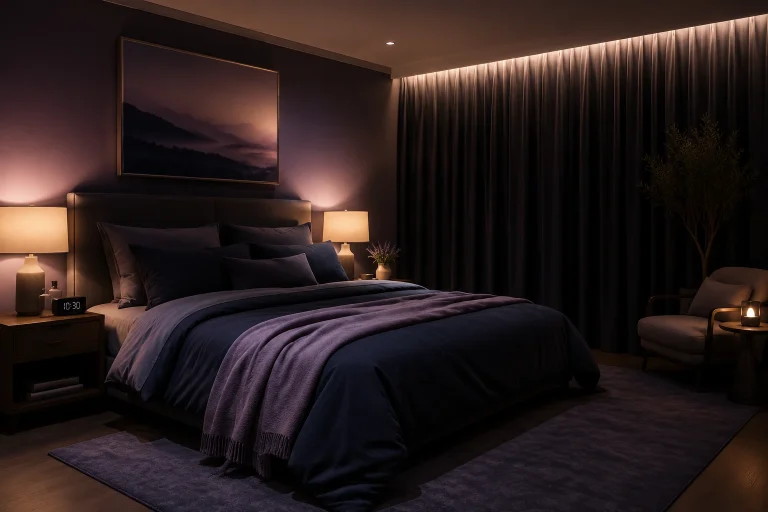
A sunrise alarm can become part of a broader sleep environment strategy alongside:
- consistent bedtime routines
- darkness optimization
- white noise
- comfortable sleep accessories
For example, some sleepers combine morning light exposure with nighttime sound control using a white noise machine to create a more consistent sleep environment.
Who May Benefit From a Sunrise Alarm Clock?
A wake-up light may be particularly useful for people who experience:
People Who Wake Up Before Sunrise
If your alarm goes off while your bedroom is still completely dark, your brain receives less natural morning light information.
A sunrise alarm can provide an artificial dawn signal.
People With Difficult Morning Wake-Ups
Some people find sudden alarms unpleasant or stressful.
A gradual light-based approach may create a smoother transition into the morning.
People With Seasonal Changes in Morning Light
During winter months, shorter daylight hours can make morning waking more challenging.
A light therapy alarm can help maintain a consistent morning routine when natural sunlight is limited.
People Building a Sleep Environment Routine
Sleep quality depends on multiple environmental signals.
A sunrise alarm works best as part of a complete approach that may include:
- consistent sleep timing
- reduced evening light exposure
- optimized bedroom conditions
- relaxation routines
For nighttime light control, some users may also benefit from exploring how 3D contoured sleep masks support a darker sleep environment.
How to Choose a Light Therapy Alarm
Not all sunrise alarms provide the same experience.
When comparing options, consider:
Adjustable Brightness
Look for:
- multiple brightness levels
- comfortable maximum brightness
- gradual dimming and brightening options
Brightness flexibility matters because individual sensitivity to light varies.
Customizable Sunrise Duration
Different users prefer different transition periods.
Common options include:
- 20 minutes
- 30 minutes
- 45 minutes
- 60 minutes
A longer sunrise simulation may feel more gradual.
Color Temperature Quality
Natural-looking warm light is generally preferred for bedroom environments because it creates a calmer atmosphere.
Avoid overly harsh lighting that feels more like a workspace lamp.
Additional Sleep Environment Features
Some sunrise alarms include:
- white noise
- relaxation sounds
- sunset modes
- bedside lighting
These features can make the device more useful as part of a complete sleep routine.
Sunrise Alarm Clock vs Other Sleep Environment Tools
A sunrise alarm solves a specific problem:
Morning transition and light exposure.
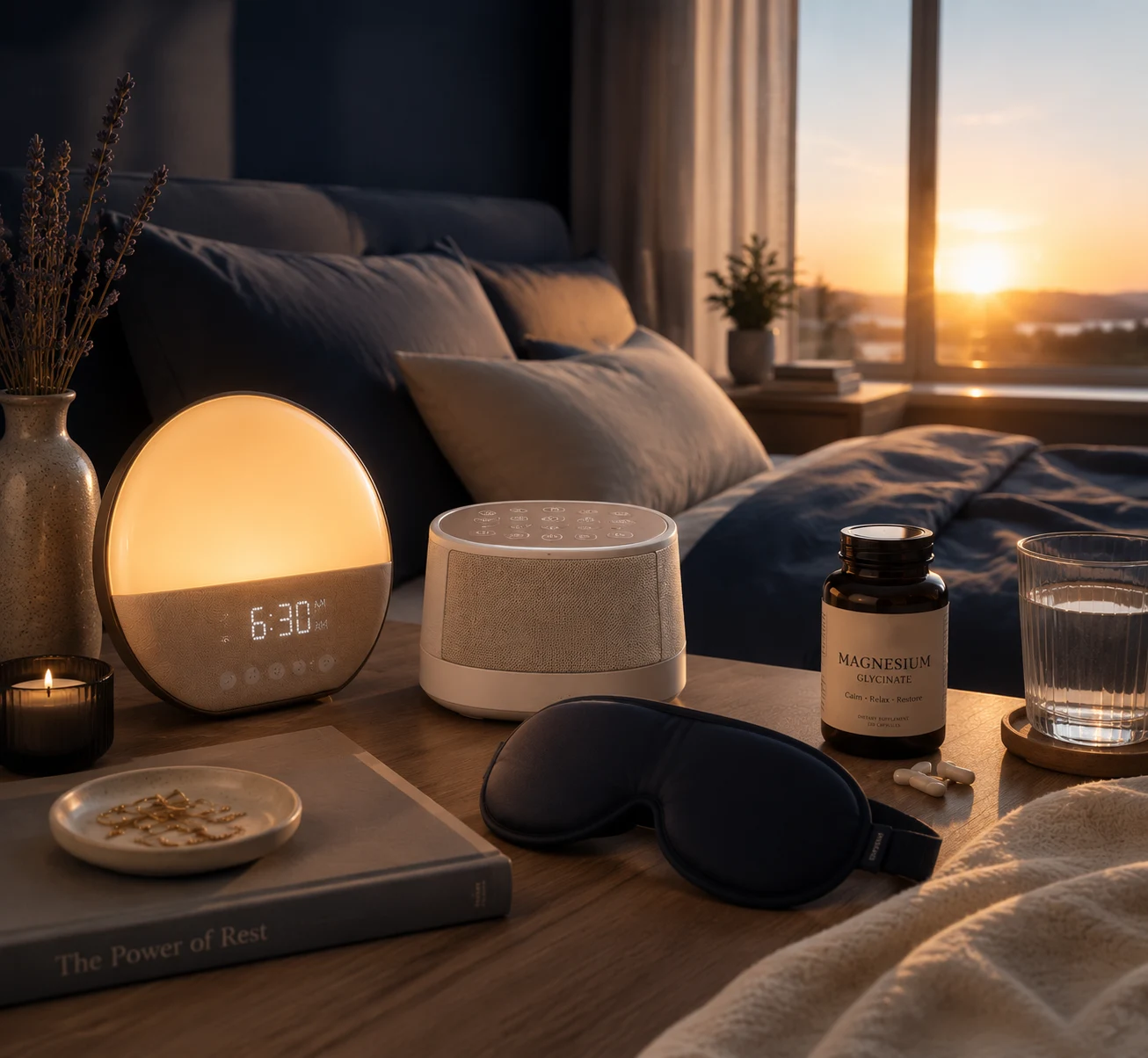
Other sleep tools solve different problems.
| Sleep Tool | Main Purpose |
|---|---|
| Sunrise alarm | Morning light and waking transition |
| White noise machine | Reducing disruptive environmental sounds |
| Sleep mask | Blocking unwanted light during sleep |
| Weighted blanket | Providing deep-pressure comfort |
A complete sleep environment often works best when each tool addresses a different barrier.
Safety Considerations and Limitations
Sunrise alarm clocks are generally considered low-risk for most healthy adults.
However:
- They should not replace medical evaluation for persistent insomnia, excessive daytime sleepiness, or suspected sleep disorders.
- People with certain eye conditions or light sensitivity should ask a healthcare professional before using bright light devices.
- Individuals receiving treatment involving light therapy should follow professional guidance.
A sunrise alarm is a lifestyle and environmental tool, not a medical device for treating sleep conditions.
Final Takeaway: Are Sunrise Alarm Clocks Better Than Traditional Alarms?
Sunrise alarm clocks offer a different waking experience by adding gradual morning light exposure before the alarm.
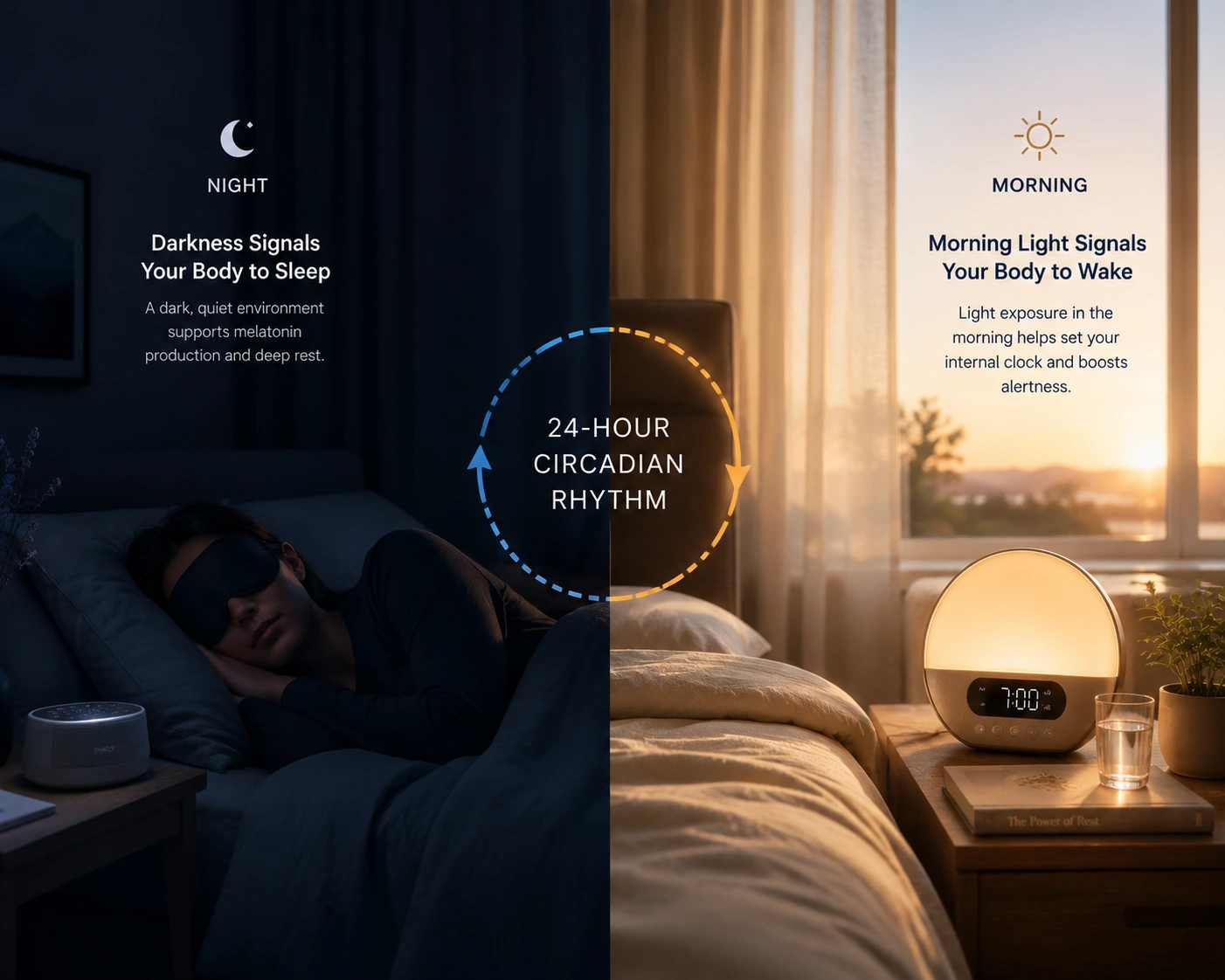
Compared with traditional alarms, they may be especially appealing for people who:
- wake up in darkness
- dislike sudden alarms
- want to support a consistent circadian routine
Traditional alarms remain simple and effective, but sunrise alarms provide an additional biological cue that sound alone cannot provide.
The best choice depends on your waking challenges, bedroom environment, and overall sleep routine.
Build a Better Sleep Environment
A better night’s sleep is not created by one device alone. It comes from aligning your environment with your body’s natural rhythms.
Explore TideRest sleep environment solutions designed to support calmer nights and better mornings.
Discover Better Sleep Support →
 FAQ
FAQ
 Scientific References
- Czeisler CA, et al.
Stability, precision, and near-24-hour period of the human circadian pacemaker.
Science. - Duffy JF, Wright KP Jr.
Entrainment of the human circadian system by light.
Journal of Biological Rhythms. - Sleep Foundation.
Light and Sleep: How Light Exposure Affects Circadian Rhythm. - National Institute of General Medical Sciences (NIGMS).
Circadian Rhythms Fact Sheet.
 Additional Compliance Note
This content is intended for educational purposes only. Sunrise alarm clocks, wake-up lights, and other sleep environment products are not intended to diagnose, treat, cure, or prevent any disease. Individual results may vary depending on sleep habits, environment, and personal health factors.