3D Contoured Sleep Masks for Side Sleepers: Why Shape Matters
Introduction
For side sleepers, traditional flat sleep masks often create uncomfortable pressure around the eyes, nose bridge, and temples. A properly designed 3D sleep mask side sleeper model solves this problem by using contoured eye cups and ergonomic shaping to reduce compression while improving blackout performance.
Unlike flat fabric masks, a contoured eye mask creates space around the eyes instead of pressing directly against them. This matters for comfort, REM sleep quality, eyelash protection, and long-term wearability — especially for people who sleep on their side for most of the night.
In this guide, we’ll explain:
- why shape matters in sleep masks
- how 3D contouring improves side-sleeper comfort
- what features actually reduce pressure
- how to choose a zero pressure sleep mask
- which materials and fit styles work best
Why Side Sleepers Struggle With Traditional Sleep Masks
Side sleeping changes how a sleep mask interacts with the face.
When your head presses into a pillow, a flat mask often shifts, folds, or pushes into sensitive areas around the eyes.
Common complaints include:
- pressure on eyelids
- mask sliding during the night
- nose bridge discomfort
- trapped heat
- light leakage near the cheeks
- eyelashes rubbing against fabric
For many sleepers, the issue is not the idea of a sleep mask itself — it’s the mask shape.
What Is a 3D Contoured Sleep Mask?
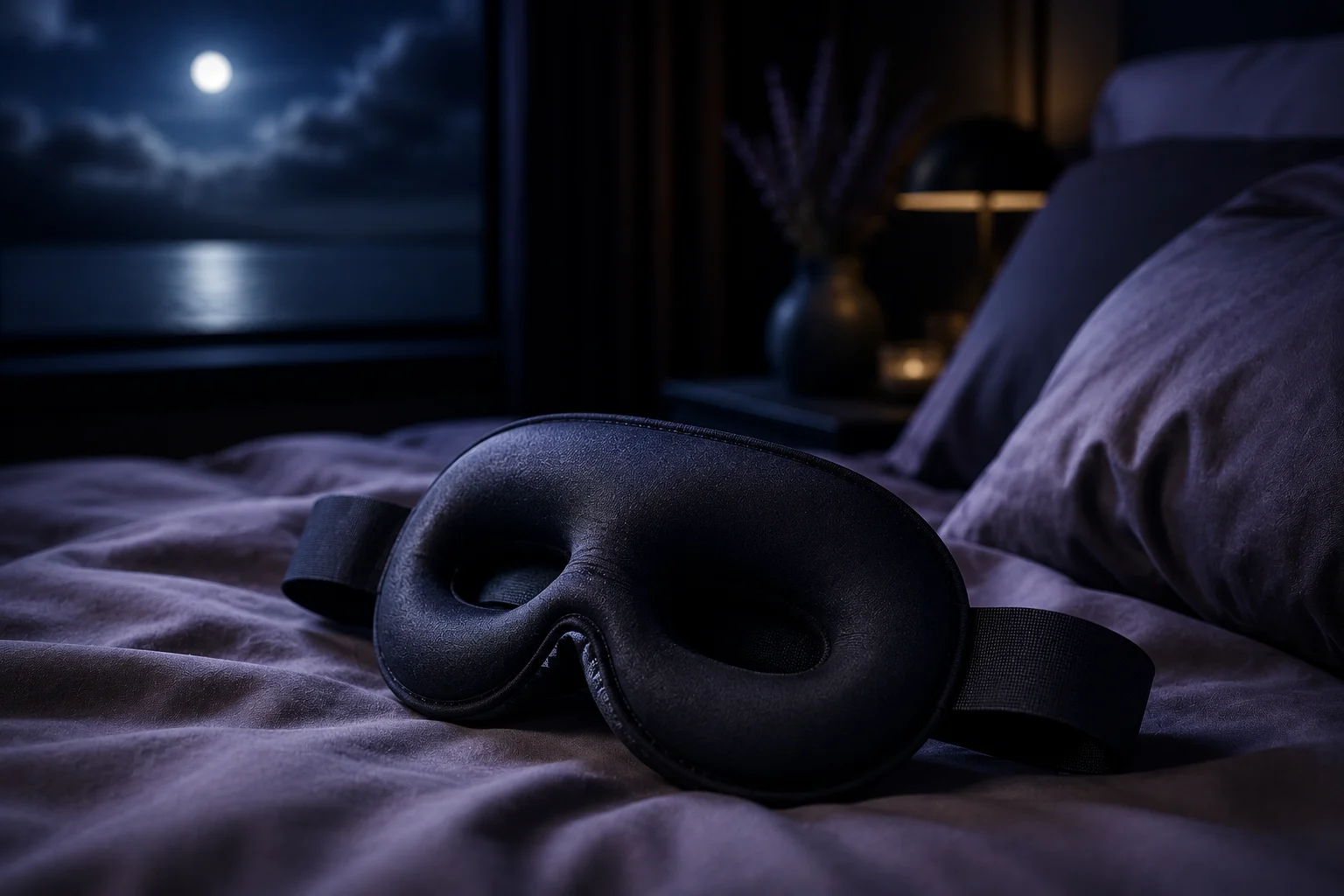
A 3D contoured sleep mask uses molded eye cups or structured foam shaping to create space around the eyes.
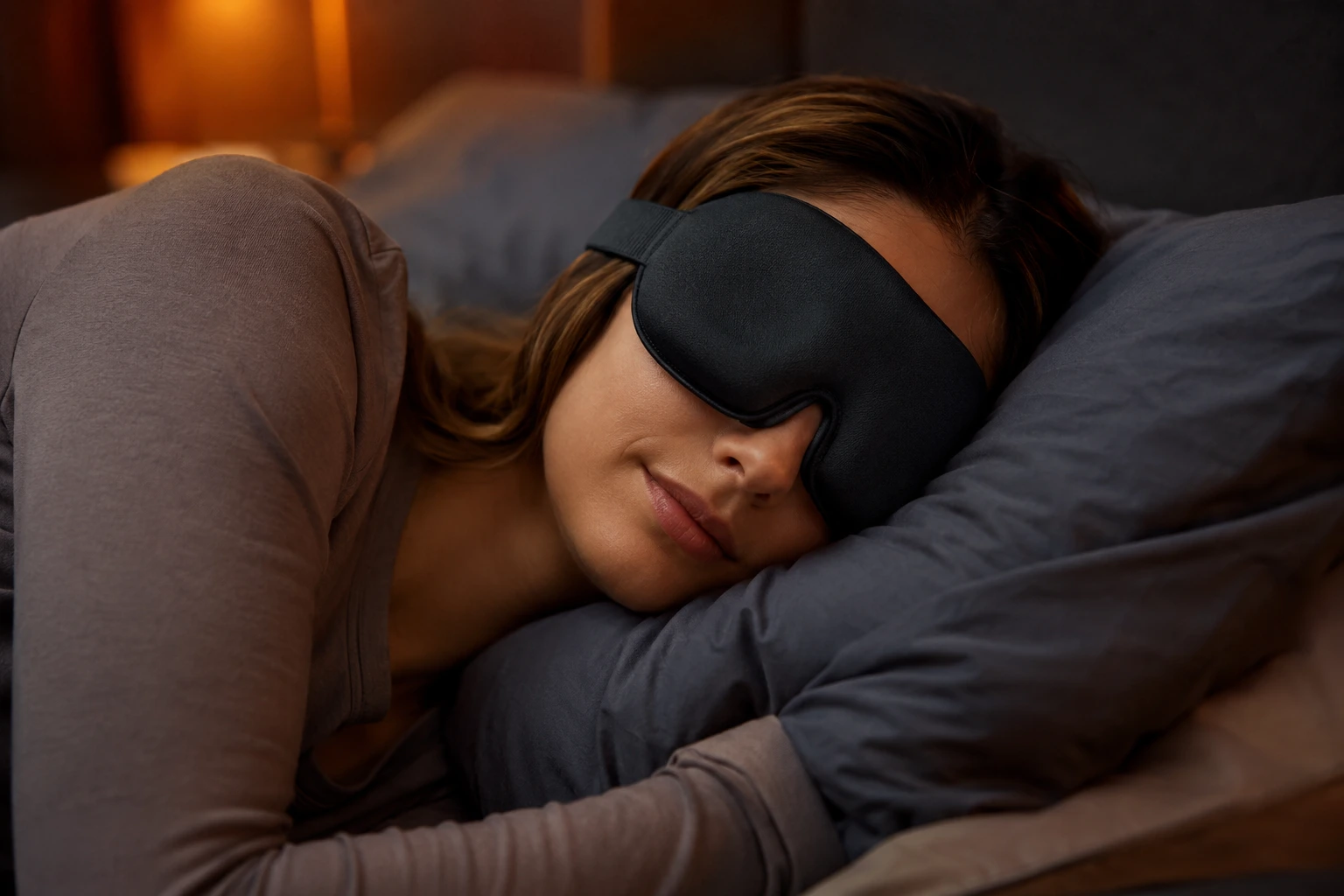
Instead of compressing the eyelids, the mask “floats” slightly above the eyes while still blocking ambient light.
Key structural differences include:
- raised eye chambers
- curved nose contour
- deeper side padding
- pressure-distributing foam
- ergonomic facial shaping
This design is especially useful for:
- side sleepers
- people with sensitive eyes
- lash extension users
- light sleepers
- travelers
- shift workers sleeping during daytime hours
Why Shape Matters for Side Sleepers
1. Reduced Eye Pressure
Traditional masks flatten directly onto the eyes.
A zero pressure sleep mask uses contoured eye cups to reduce direct contact with:
- eyelids
- lashes
- under-eye area
This creates a more natural resting position during sleep.
For side sleepers, pressure reduction becomes even more important because the pillow already compresses one side of the face.
Well-designed 3D sleep masks often use subtle sloped edge contouring to distribute pressure more evenly against the pillow. For side sleepers, this helps prevent the eye cups from collapsing inward or pressing directly against the eye area during the night.
2. Better Light Blocking While Moving
Flat masks often shift when turning during sleep.
Contoured masks typically maintain better facial alignment because the molded structure stabilizes the fit.
This helps reduce:
- side light leakage
- gaps near the nose
- mask displacement overnight
Consistent darkness is important because even small amounts of light can affect melatonin production and sleep continuity.
3. Improved REM Sleep Comfort
Eye movement naturally increases during REM sleep.
Masks that press against the eyelids may feel restrictive during this stage.
A contoured eye mask creates extra internal space that allows freer eye movement and reduces irritation.
Many side sleepers report:
- fewer nighttime awakenings
- less facial soreness
- reduced “mask awareness”
- easier sleep maintenance
4. Better for Sensitive Skin & Lash Extensions
Pressure and friction can irritate:
- sensitive skin
- dry eyes
- long eyelashes
- lash extensions
A 3D sleep mask minimizes rubbing by keeping material away from the eyes themselves.
This makes contoured designs popular among:
- beauty-conscious users
- people prone to irritation
- users with contact lens dryness
Flat Sleep Masks vs 3D Contoured Sleep Masks
| Feature | Flat Sleep Mask | 3D Contoured Sleep Mask |
|---|---|---|
| Eye Pressure | High | Low |
| Side Sleeper Comfort | Moderate | High |
| Lash-Friendly | No | Yes |
| Light Blocking Stability | Variable | Better |
| REM Sleep Comfort | Lower | Higher |
| Facial Compression | Higher | Lower |
| Pillow Compatibility | Limited | Better |
For side sleepers, shape is often the biggest differentiator between “occasionally usable” and “comfortable all night.”

What To Look For in a 3D Sleep Mask for Side Sleepers
Contoured Eye Cups
Look for:
- deep molded eye cavities
- structured support
- enough clearance for blinking
Shallow contouring often still creates eyelid pressure.
Adjustable Strap Design
A stable fit matters more than tightness.
The best side sleeper masks use:
- soft elastic adjustment
- low-profile straps
- pressure-distributing bands
Avoid overly rigid straps that dig into the head during side sleeping.
For side sleepers, buckle placement matters more than many brands acknowledge. Adjustment hardware positioned near the ears or along the side of the head can create pressure points against the pillow during overnight use. Low-profile straps or flatter adjustment systems are usually more comfortable for extended side sleeping.
Soft Memory Foam Edges
Memory foam can improve facial sealing while reducing hard pressure points.
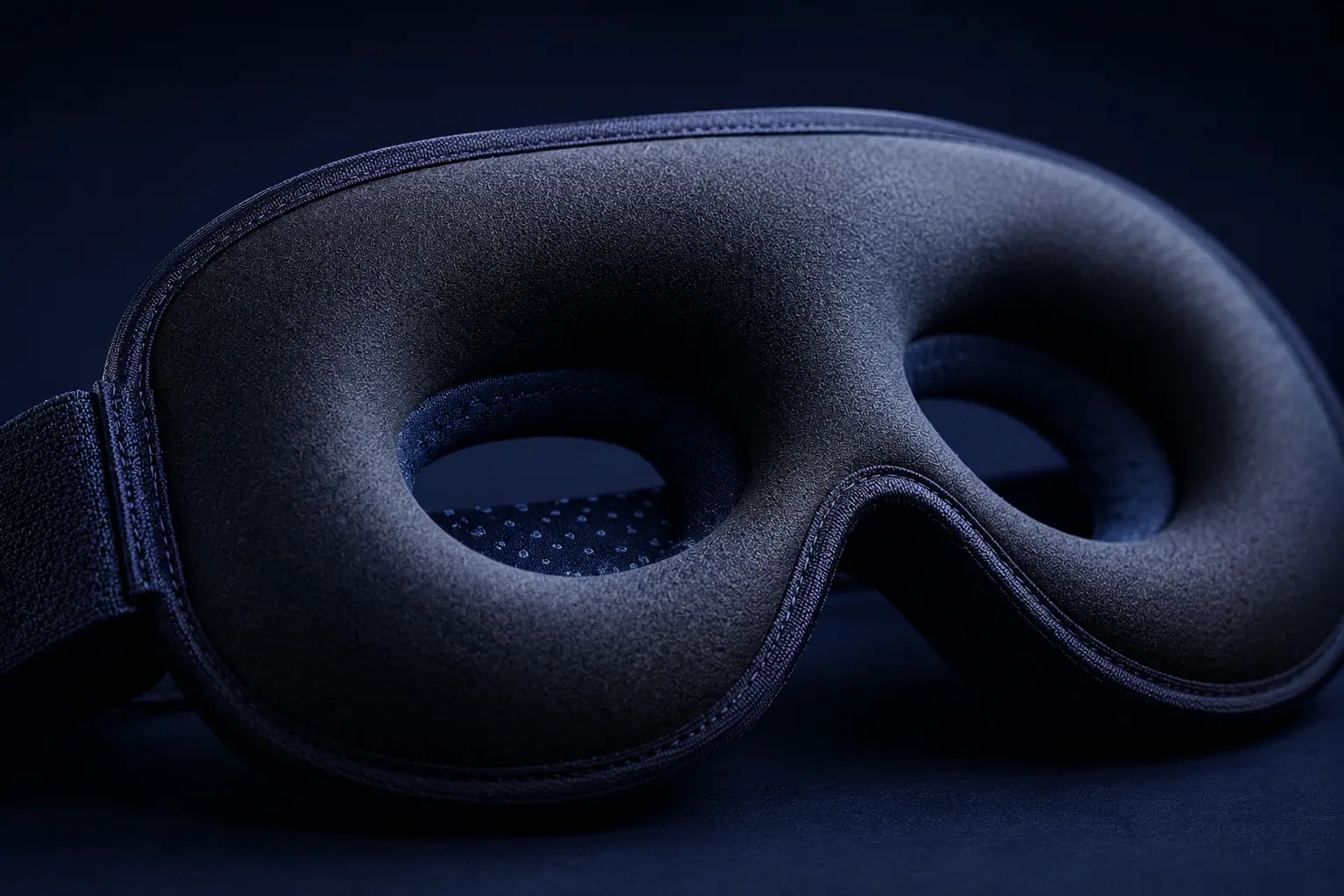
Good foam should feel:
- soft
- breathable
- supportive
- non-sweaty
Breathable Materials
Heat buildup can reduce sleep quality.
Look for:
- cooling fabric
- breathable foam
- moisture-wicking lining
- lightweight construction
Nose Contour Fit
A poorly shaped nose bridge creates light leakage.
Contoured masks with ergonomic nose shaping typically perform better in:
- bright bedrooms
- airplane cabins
- daytime sleep environments
Are 3D Sleep Masks Better for Sleep Quality?
A sleep mask itself does not “cause” sleep, but better light blocking can support natural sleep regulation.
Research consistently shows darkness supports:
- melatonin production
- circadian rhythm stability
- deeper sleep continuity
For side sleepers specifically, comfort matters because discomfort can increase nighttime awakenings.
The best sleep mask is ultimately the one you forget you’re wearing.
Who Benefits Most From Contoured Sleep Masks?
A contoured eye mask may be especially helpful if you:
- sleep on your side
- wake easily from light
- travel frequently
- work night shifts
- use lash extensions
- experience eye sensitivity
- dislike pressure on your face
- struggle with flat masks slipping off
Common Mistakes When Choosing a Sleep Mask
Choosing Based Only on Softness
A soft mask can still create pressure if the structure is flat.
Shape usually matters more than softness alone.
Ignoring Pillow Compression
Many masks feel comfortable while sitting upright but behave differently against a pillow.
Side sleepers should prioritize:
- low side bulk
- stable contouring
- compression resistance
Buying Ultra-Cheap Foam Designs
Low-quality molded masks often:
- lose shape quickly
- trap heat
- collapse against the eyes
- create uneven pressure
Durability matters for nightly use.
How To Use a 3D Sleep Mask Properly

For best comfort:
- Adjust the strap before lying down
- Position the eye cups evenly
- Avoid overtightening
- Test for light leakage while turning sideways
- Pair with a cool sleep environment
A properly fitted mask should feel secure without noticeable pressure.
Final Verdict
For side sleepers, shape matters more than most people realize.
A 3D sleep mask side sleeper design improves comfort by reducing eye pressure, stabilizing blackout performance, and minimizing facial compression during pillow contact.
Compared with traditional flat masks, contoured designs are often:
- more comfortable
- more stable
- better at blocking light
- easier to wear all night
If standard sleep masks feel irritating or restrictive, switching to a zero pressure sleep mask may significantly improve nighttime comfort.
At TideRest, we believe sleep accessories should feel restorative — not restrictive.
Our approach to sleep mask design focuses on:
- ergonomic contouring
- pressure-free comfort
- breathable materials
- side-sleeper compatibility
- premium blackout performance
Explore better nighttime comfort with thoughtfully designed sleep essentials.
FAQ Section
 Suggested Scientific References
- Sleep Foundation — Sleep Masks and Sleep Quality
- NIH — Circadian Rhythm & Light Exposure Research
- Harvard Medical School — Blue Light and Sleep
- Journal of Sleep Research — Sleep Environment and Sleep Continuity
- National Sleep Foundation — Bedroom Environment Recommendations
 Additional Compliance Note
Sleep masks support sleep environment optimization but are not intended to diagnose, treat, cure, or prevent medical conditions.