
Sleep Chronotypes Explained: How to Work With Your Biology, Not Against It
Quick Answer
Sleep chronotypes describe your body’s natural preference for when you feel alert, productive, sleepy, and ready to wake up.
The most widely known chronotype framework includes:
- Lion (early riser)
- Bear (sun-aligned sleeper)
- Wolf (night owl)
- Dolphin (light sleeper)
Understanding your chronotype can help you optimize sleep quality, productivity, exercise timing, and daily energy by working with your biological clock rather than constantly fighting it.
Table of Contents
- What Are Sleep Chronotypes?
- Why Chronotypes Matter
- The Four Sleep Chronotypes Explained
- Lion vs Bear vs Wolf vs Dolphin Comparison
- Can You Be More Than One Chronotype?
- How to Find Your Chronotype
- Are Chronotypes Scientifically Valid?
- How to Optimize Sleep for Your Chronotype
- When Your Schedule Doesn’t Match Your Biology
- How Sleep Tools Can Support Any Chronotype
- Final Verdict
- FAQ
What Are Sleep Chronotypes?
A sleep chronotype is your body’s natural tendency to sleep and wake at certain times.
Chronotypes are influenced by:
- Genetics
- Circadian rhythm biology
- Hormonal timing
- Light exposure
- Age
Think of a chronotype as your internal schedule.
Two people may both need eight hours of sleep, yet one naturally falls asleep at 9:30 PM while another feels sleepy closer to midnight.
Neither pattern is inherently better. The goal is to understand your biological tendencies and build routines that support them.
Why Chronotypes Matter
Many people assume poor sleep comes down to discipline or motivation.
However, sleep timing is partly biological.
When your daily schedule aligns with your chronotype, you may experience:
- Faster sleep onset
- Better sleep quality
- Improved focus
- Higher productivity
- Better mood regulation
- More consistent energy levels
When your schedule consistently conflicts with your biology, you may experience:
- Social jet lag
- Chronic fatigue
- Difficulty waking up
- Reduced performance
- Evening alertness at inappropriate times
Understanding your chronotype can help explain why some schedules feel effortless while others feel exhausting.
The Four Sleep Chronotypes Explained
Lion Chronotype
Typical Traits
Lions are natural early risers.
They often:
- Wake before sunrise
- Feel energized in the morning
- Reach peak productivity early
- Become tired relatively early in the evening
Common Schedule
| Activity | Typical Time |
|---|---|
| Wake Up | 5:30–6:30 AM |
| Peak Productivity | 8:00 AM–12:00 PM |
| Exercise | Morning |
| Bedtime | 9:00–10:00 PM |
Common Challenges
- Late-night social events
- Evening work obligations
- Travel across time zones
Bear Chronotype
Typical Traits
Bears make up roughly half of the population.
Their sleep patterns tend to align closely with daylight.
They often:
- Wake comfortably in the morning
- Maintain stable daytime energy
- Follow conventional work schedules well
Common Schedule
| Activity | Typical Time |
| Wake Up | 7:00 AM |
| Peak Productivity | 10:00 AM–2:00 PM |
| Exercise | Afternoon |
| Bedtime | 10:00–11:00 PM |
Common Challenges
- Inconsistent sleep duration
- Excessive evening screen exposure
- Busy modern schedules
Wolf Chronotype
Typical Traits
Wolves are classic night owls.
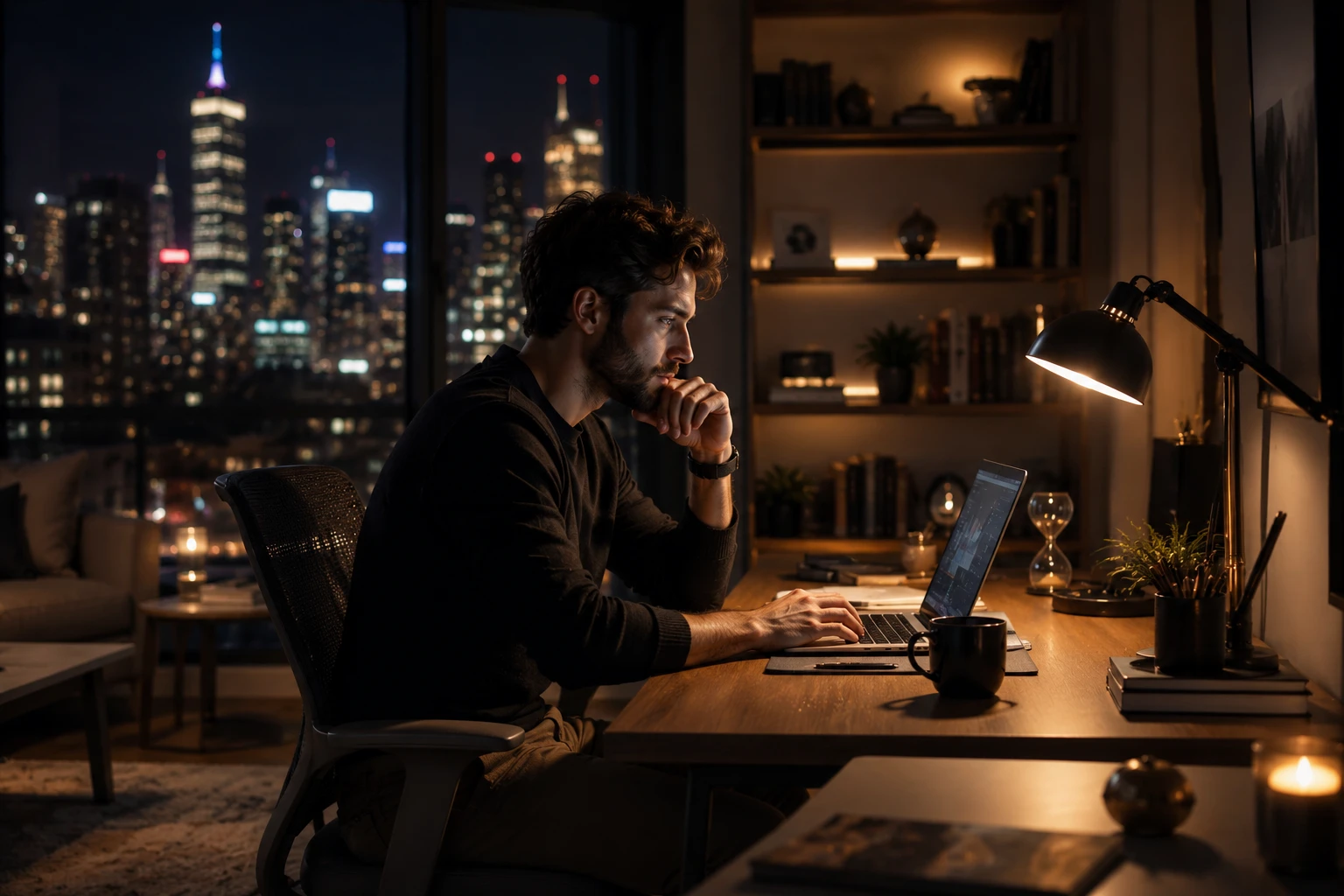
They often:
- Struggle with early mornings
- Feel most alert later in the day
- Experience creative peaks in the evening
- Naturally prefer later bedtimes
Common Schedule
| Activity | Typical Time |
| Wake Up | 8:00–9:00 AM |
| Peak Productivity | 4:00–9:00 PM |
| Exercise | Late Afternoon |
| Bedtime | 12:00–1:00 AM |
Common Challenges
- Early work schedules
- Morning meetings
- Sleep debt accumulation
Dolphin Chronotype
Typical Traits
Dolphins are often described as light and sensitive sleepers.
They may:
- Have trouble falling asleep
- Wake easily during the night
- Experience inconsistent sleep quality
- Be highly sensitive to sound, light, and stress
Recommended Schedule
| Activity | Recommended Time |
| Wake Up | 7:00 AM |
| Peak Focus | 10:00 AM–12:00 PM |
| Relaxation Break | 1:00–2:00 PM |
| Exercise | Late Afternoon |
| Wind-Down Routine | 9:30 PM |
| Bedtime | 11:00–11:30 PM |
Common Challenges
- Insomnia tendencies
- Hypervigilance
- Difficulty maintaining consistent sleep routines
Key Goal
For dolphins, consistency is often more important than following an early or late schedule.
Lion vs Bear vs Wolf vs Dolphin Comparison

| Trait | Lion | Bear | Wolf | Dolphin |
| Wake Time | Very Early | Moderate | Late | Variable |
| Bedtime | Early | Moderate | Late | Variable |
| Morning Energy | High | Good | Low | Moderate |
| Evening Energy | Low | Moderate | High | Variable |
| Sleep Quality | Usually Good | Good | Good if Schedule Fits | Often Disrupted |
| Biggest Challenge | Late Nights | Lifestyle Habits | Early Mornings | Sleep Maintenance |
Can You Be More Than One Chronotype?
Yes.
Many people do not fit perfectly into a single chronotype.
Chronotypes exist on a spectrum rather than in rigid categories.
For example:
- Bear-Wolf combinations are common
- Some Dolphins share Bear characteristics
- Many people shift slightly throughout different life stages
The purpose of chronotypes is not to place yourself into a perfect category.
Instead, they help you recognize your natural sleep tendencies and build routines that support them.
How to Find Your Chronotype
Many people discover their chronotype through observation rather than a formal chronotype quiz.

Ask yourself:
When would you naturally wake up without an alarm?
When do you feel most productive?
When do you become sleepy?
How do you feel during early mornings?
Does your schedule change significantly on weekends?
Your answers often reveal your biological preferences more accurately than any online test.
A chronotype quiz can provide additional guidance, but your real-world sleep patterns usually offer the clearest insights.
Are Chronotypes Scientifically Valid?
Yes—with an important caveat.
Sleep researchers recognize that people differ in their natural circadian timing.
Scientific literature commonly refers to:
- Morning types
- Intermediate types
- Evening types
The Lion, Bear, Wolf, and Dolphin framework is a simplified educational model rather than a formal medical classification.
However, the underlying concept—that individuals have different biological sleep preferences—is strongly supported by sleep science.
How to Optimize Sleep for Your Chronotype
For Lions
Focus on:
- Consistent wake times
- Morning sunlight exposure
- Protecting your evening wind-down period
- Avoiding excessive late-night stimulation
If social obligations frequently push bedtime later, a relaxing pre-sleep routine may help maintain sleep quality.
Some people include magnesium glycinate as part of a calming evening routine designed to support relaxation before bed.
For Bears
Focus on:
- Consistent sleep duration
- Limiting evening screen exposure
- Maintaining regular sleep and wake times
- Getting daily natural light exposure
Because bears thrive on routine, small daily habits often have an outsized impact on sleep quality.
For Wolves
Focus on:
- Morning sunlight exposure
- Limiting caffeine after midday
- Gradually advancing bedtime when necessary
- Creating a darker evening environment
If artificial light exposure makes it difficult to fall asleep earlier, a high-quality blackout sleep mask may help reinforce nighttime darkness cues and support a more consistent bedtime routine.
For Dolphins
Focus on:
- Consistent bedtime routines
- Managing nighttime stress
- Reducing environmental disturbances
- Prioritizing sleep environment quality
Because dolphin chronotypes are often sensitive to sound and light, many benefit from sleep-environment tools such as white noise machines and contoured blackout sleep masks.
These tools cannot cure insomnia, but they may help reduce common environmental disruptions that interfere with sleep.
When Your Schedule Doesn’t Match Your Biology
Many people cannot fully follow their preferred chronotype because of work, school, travel, or family responsibilities.
If this sounds familiar:
- Maintain a consistent wake-up time.
- Get sunlight within 30 minutes of waking.
- Avoid dramatic weekend sleep shifts.
- Reduce bright light exposure before bed.
- Create a predictable evening routine.
Even partial alignment with your biological clock can improve sleep quality and daytime energy.
How Sleep Tools Can Support Any Chronotype
Chronotypes influence sleep timing, but sleep quality also depends on your environment.

Helpful sleep-support strategies include:
Light Management
A contoured blackout sleep mask can help create darkness regardless of bedtime or season.
Sound Management
White noise machines may help reduce environmental sleep disruptions, particularly for sensitive sleepers.
Relaxation Support
Some people incorporate non-melatonin sleep-support habits into their nighttime routine, including:
- Magnesium glycinate
- Reading
- Meditation
- Breathwork
- Consistent bedtime rituals
The goal is not to force sleep but to support your body’s natural rhythms.
Final Verdict
Sleep chronotypes help explain why some people naturally wake before sunrise while others feel most productive after sunset.
The Lion, Bear, Wolf, and Dolphin framework is not a medical diagnosis, but it offers a useful way to understand biological differences in sleep timing.
Rather than fighting your body’s clock, focus on aligning your routines, environment, and habits with your natural tendencies whenever possible.
The closer your lifestyle matches your biology, the easier quality sleep often becomes.
Explore Better Sleep Naturally
Better sleep isn’t just about when you sleep—it’s also about creating the right environment and routines.
Explore evidence-based sleep optimization strategies including:
- Circadian rhythm support
- Sleep environment design
- Magnesium-based relaxation routines
- Blackout sleep solutions
- White noise strategies
Discover Natural Sleep Support →
 FAQ
FAQ
 References
- National Institute of General Medical Sciences — Circadian Rhythms
- National Sleep Foundation — Circadian Rhythm & Sleep Timing
- Roenneberg T., Social Jetlag Research
- Breus M., The Power of When
- American Academy of Sleep Medicine Resources
 Additional Compliance Note
Sleep chronotypes describe natural sleep preferences, not medical diagnoses. Persistent sleep difficulties should be discussed with a qualified healthcare professional.