
Mouth Breathing Side Effects on Face: What Happens Over Time?
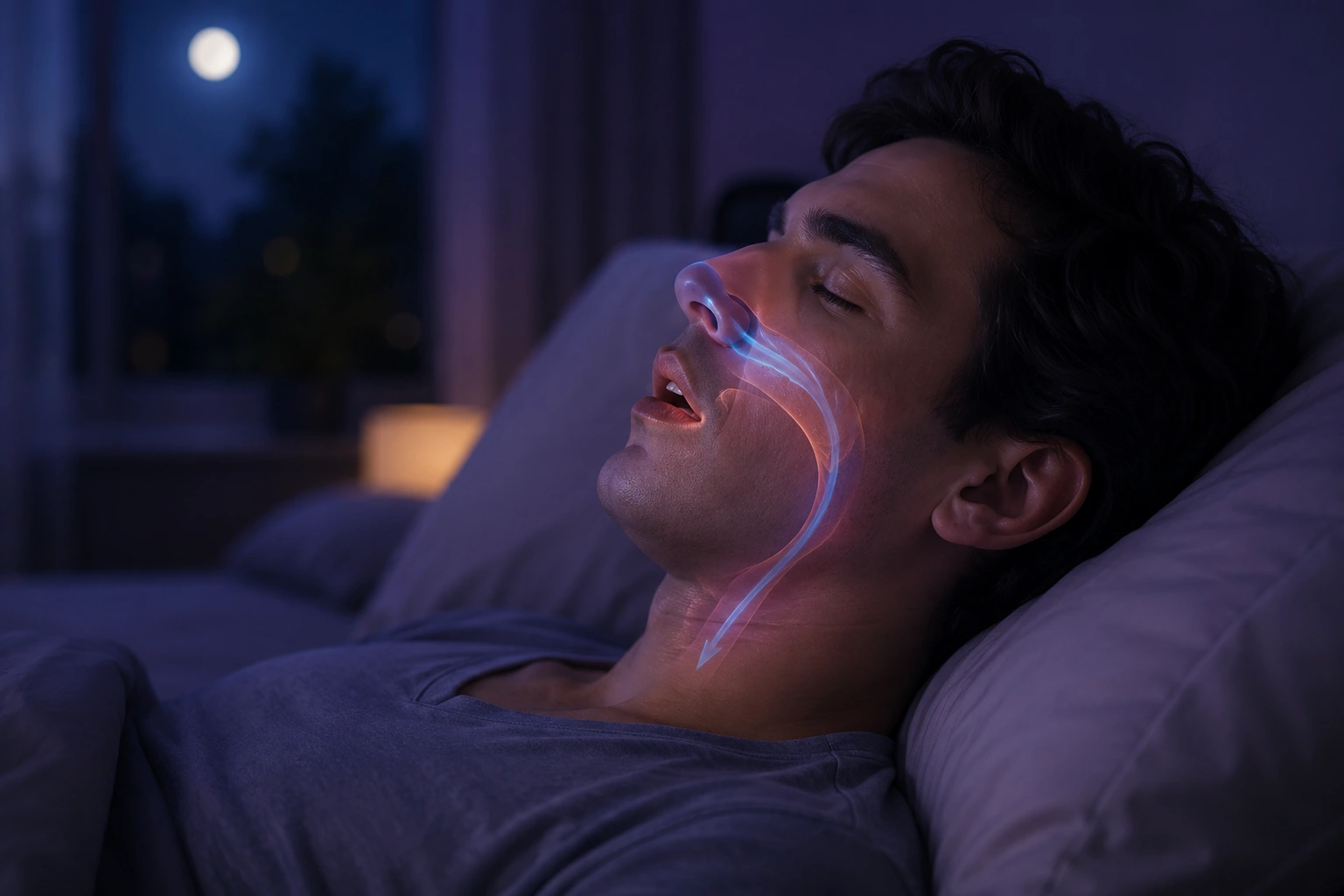
Mouth breathing may affect more than sleep quality and snoring. Over time, chronic mouth breathing can influence facial structure, jaw development, posture, oral health, and nighttime recovery — especially during childhood and adolescence.
Research suggests that long-term mouth breathing is associated with:
- Narrower jaw development
- Longer facial appearance
- Poor tongue posture
- Dental crowding
- Forward head posture
- Dry mouth and gum irritation
- Poor sleep quality
While facial changes are generally more significant during developmental years, adults may still experience functional and aesthetic effects linked to chronic mouth breathing and reduced nasal airflow.
This guide explains:
- how mouth breathing affects the face
- why nasal breathing matters
- what science says
- and how to improve breathing habits safely
What Is Mouth Breathing?
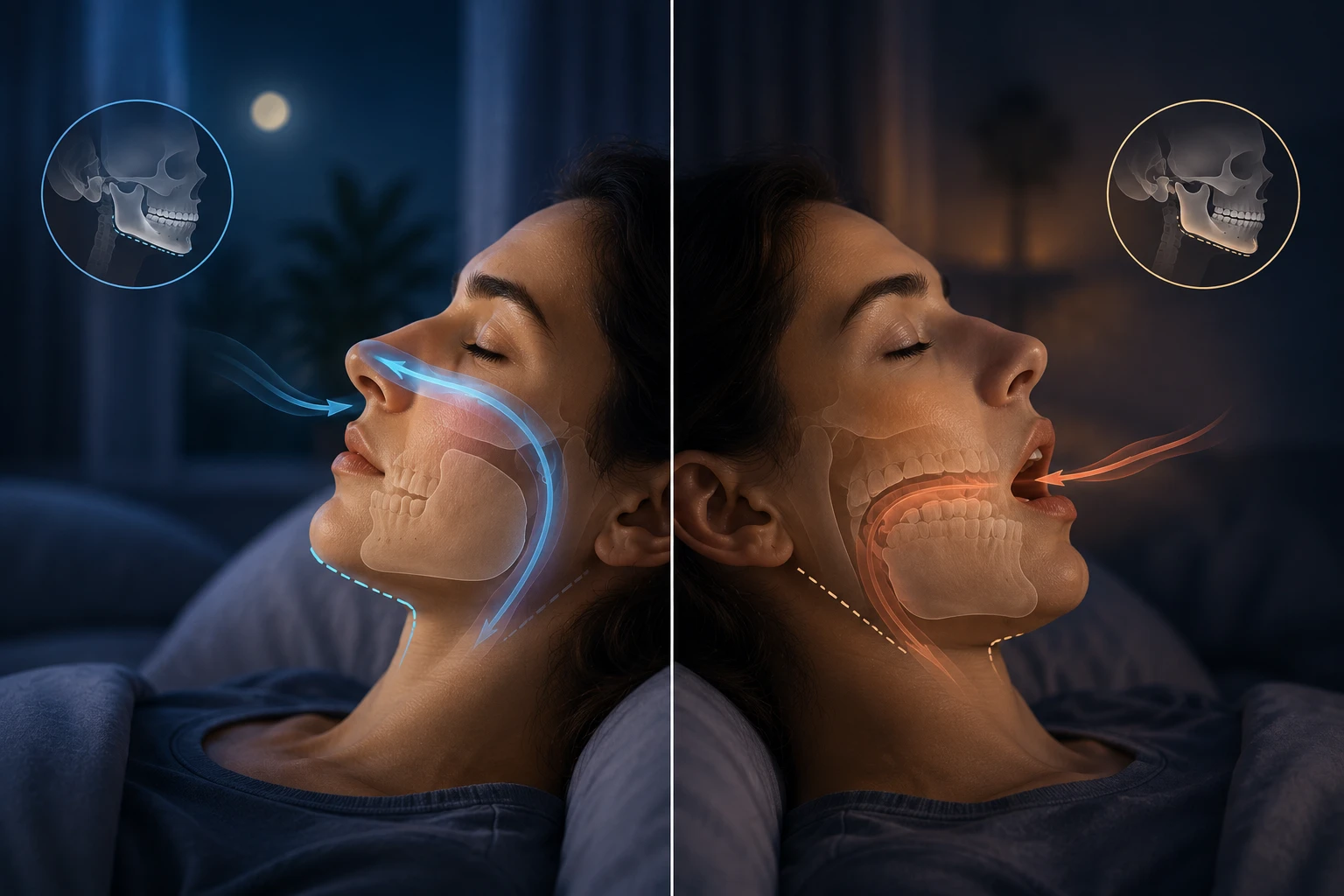
Mouth breathing happens when air is primarily inhaled and exhaled through the mouth instead of the nose.
Occasional mouth breathing is normal during exercise, allergies, or illness. However, chronic mouth breathing — especially during sleep — may affect airway function, oral posture, facial muscle balance, and sleep quality over time.
Common causes include:
- Chronic nasal congestion
- Allergies
- Deviated septum
- Enlarged tonsils or adenoids
- Sleep-disordered breathing
- Habitual breathing patterns
Why Nasal Breathing Matters for Facial Structure
Nasal breathing supports healthy tongue posture, jaw development, and airway function.
When breathing through the nose, the tongue naturally rests against the roof of the mouth — acting almost like an internal support structure that helps the upper jaw develop wider and more stable over time.
With chronic mouth breathing, the tongue drops downward instead of supporting the palate. At the same time, the cheeks may apply inward pressure on the upper dental arch.
Over many years — especially during childhood — this combination may contribute to:
- narrower palate formation
- crowded teeth
- downward facial growth
- a longer facial appearance
This is one reason why facial structure breathing patterns receive increasing attention in airway-focused dentistry and sleep medicine.
How Mouth Breathing Can Affect the Face Over Time
1. Narrow Jaw Development
One of the most discussed mouth breathing jaw effects is reduced upper jaw width.
When the tongue rests low in the mouth instead of against the palate, the upper arch may not develop optimally. This can contribute to:
- Narrow palate
- Dental crowding
- Crossbite
- Smaller airway space
Children are especially vulnerable because facial bones are still developing.
2. Longer Facial Appearance
Chronic mouth breathing is commonly associated with what clinicians sometimes call “long face syndrome.”
Potential characteristics include:
- Longer lower face
- Recessed chin appearance
- Weak jawline
- Open-mouth resting posture
- Drooping facial muscles
These changes are linked to altered muscle use and breathing posture patterns over time.
3. Poor Tongue Posture
Healthy tongue posture plays an important role in facial structure breathing mechanics.
With nasal breathing:
- the tongue rests upward against the palate
With mouth breathing:
- the tongue often drops downward
Over time, this may influence:
- jaw alignment
- palate shape
- airway size
- swallowing mechanics
4. Forward Head Posture
Many chronic mouth breathers develop forward head posture to compensate for reduced airway efficiency.
This posture may contribute to:
- neck tension
- jaw strain
- shoulder tightness
- poor sleep posture
Over time, posture changes may affect both facial appearance and breathing mechanics simultaneously.
5. Dental and Oral Health Problems
Mouth breathing dries oral tissues and reduces saliva protection.

Possible effects include:
- dry mouth
- bad breath
- gum irritation
- increased cavity risk
- inflamed gums
Saliva plays an important role in protecting teeth and maintaining oral microbiome balance.
6. Sleep Quality and Fatigue
Mouth breathing during sleep is associated with:
- snoring
- fragmented sleep
- dry throat
- nighttime waking
- poor sleep efficiency
Some people also experience:
- daytime fatigue
- brain fog
- low energy
- morning headaches
Poor breathing quality at night often affects recovery, focus, and mood during the day.
Are Facial Changes Permanent?
Not always.
The degree of change depends on:
- age
- severity
- duration
- airway health
- jaw development stage
In children and teenagers, correcting airway issues early may help support healthier facial development.
Adults may still improve:
- breathing efficiency
- oral posture
- sleep quality
- facial muscle tension
- nasal breathing habits
However, skeletal changes are generally less reversible once facial development is complete.
Adults May Still Notice Functional and Cosmetic Improvements
While major skeletal changes are less likely after adulthood, many adults still report noticeable improvements after correcting chronic mouth breathing habits.
Better nasal breathing may help:
- reduce facial muscle fatigue
- improve sleep quality and nighttime oxygenation
- decrease dry mouth and morning puffiness
- support healthier tongue and neck posture
- reduce the “tired face” appearance linked to poor sleep
In many cases, the biggest improvement is not dramatic bone structure change — but looking more rested, energized, and less strained.
Signs You May Be Mouth Breathing at Night
Common signs include:
- Waking with dry mouth
- Snoring
- Morning bad breath
- Chapped lips
- Frequent nighttime waking
- Daytime fatigue
- Nasal congestion
- Open-mouth sleeping posture
Partners often notice nighttime mouth breathing before the individual does.
What Causes Chronic Mouth Breathing?
Mouth breathing is usually a symptom rather than the root problem.
Common causes include:
| Cause | Possible Effect |
|---|---|
| Allergies | Nasal blockage |
| Deviated septum | Reduced airflow |
| Enlarged tonsils | Airway obstruction |
| Chronic congestion | Habitual mouth breathing |
| Sleep apnea | Interrupted breathing |
| Poor tongue posture | Airway instability |
Identifying the underlying cause is important before attempting long-term breathing interventions.
How to Improve Nasal Breathing Safely
1. Address Nasal Congestion First
Improving airflow is the first step.
Helpful strategies may include:
- saline rinses
- humidifiers
- allergy management
- nasal strips
- medical evaluation for structural issues
A Simple Self-Check Before Trying Mouth Tape
If you struggle to breathe comfortably through your nose during the day for even 1–2 minutes with your mouth closed, there may be an underlying airway obstruction involved.
Common examples include:
- chronic inflammation
- severe allergies
- enlarged turbinates
- deviated septum
In these situations, improving nasal airflow should come before mouth breathing training or mouth taping.
An ENT specialist can help identify structural breathing issues safely.
2. Practice Nasal Breathing During the Day
Awareness matters.
Simple habits include:
- keeping lips gently closed
- breathing slowly through the nose
- improving posture
- reducing stress-related shallow breathing
Consistency matters more than intensity.
3. Improve Your Sleep Environment
Dry air and poor sleep conditions may worsen mouth breathing.

Helpful adjustments may include:
- balanced humidity
- side sleeping
- reducing alcohol before bed
- improving bedroom airflow
- maintaining cooler nighttime temperatures
4. Consider Mouth Tape Carefully
Some adults use mouth tape to encourage nasal breathing during sleep.
Potential benefits may include:
- reduced dry mouth
- less snoring
- improved breathing awareness
- more consistent nasal breathing habits
However, mouth taping is not appropriate for everyone.

Avoid mouth tape if you:
- cannot comfortably breathe through your nose
- have untreated sleep apnea
- experience severe congestion
- have respiratory conditions without medical guidance
A gentle, breathable sleep tape designed for nighttime comfort may help some adults transition toward nasal breathing more comfortably.
Mouth Breathing in Children vs Adults
Children are more vulnerable to structural effects because facial bones are still developing.
Possible childhood signs include:
- chronic open-mouth posture
- snoring
- restless sleep
- crowded teeth
- long facial appearance
Early evaluation by pediatric airway specialists, orthodontists, or ENT providers may help identify airway issues sooner.
Adults more commonly experience:
- sleep disruption
- dry mouth
- jaw tension
- fatigue
- poor posture
- reduced recovery quality
What Does Science Say?
Research increasingly supports the connection between airway function, breathing patterns, and craniofacial development.
Studies have linked chronic mouth breathing with:
- altered jaw growth
- narrow palate formation
- facial elongation
- sleep-disordered breathing
Researchers also note that genetics, environment, posture, and overall health contribute to facial development alongside breathing patterns.
Current evidence supports improving nasal breathing for both airway health and sleep quality, although individual outcomes vary.
Final Verdict
Chronic mouth breathing may affect facial structure, jaw development, posture, oral health, and sleep quality over time — especially during childhood.
While not every mouth breather develops major facial changes, long-term nasal breathing dysfunction may contribute to both functional and aesthetic issues that affect sleep and overall wellbeing.
The goal is not cosmetic perfection.
The goal is healthier breathing, better sleep, and improved nighttime recovery.
For many people, improving nasal breathing starts with:
- identifying airway obstacles
- improving sleep habits
- supporting healthy tongue posture
- creating better nighttime breathing awareness
Small breathing changes can meaningfully improve how you sleep and feel over time.
Explore Better Sleep & Nasal Breathing Support
Interested in improving nighttime breathing habits naturally?
Explore:
- Mouth tape for sleeping
- Nasal breathing sleep routines
- Sleep environment optimization
- Non-melatonin sleep support
Discover calm, evidence-informed sleep solutions designed around restorative nighttime habits.
 FAQ Section
 Suggested References
- National Institutes of Health (NIH)
- American Academy of Sleep Medicine
- Sleep Foundation
- Peer-reviewed orthodontic and airway development studies
- Research on nasal breathing and craniofacial development
 Additional Compliance Note
This content is educational in nature and should not replace professional medical evaluation or diagnosis. Individuals with chronic breathing issues, severe snoring, or suspected sleep apnea should seek medical guidance before attempting breathing interventions.