Mouth Tape for Sleeping: Benefits, Risks & How to Start Safely
Mouth taping may not be appropriate for everyone, especially individuals with breathing disorders, chronic nasal obstruction, or suspected sleep apnea.
These statements have not been evaluated by the Food and Drug Administration. This product-related content is not intended to diagnose, treat, cure, or prevent any disease. Always consult a qualified healthcare professional before trying new sleep aids or breathing-related interventions.
Introduction
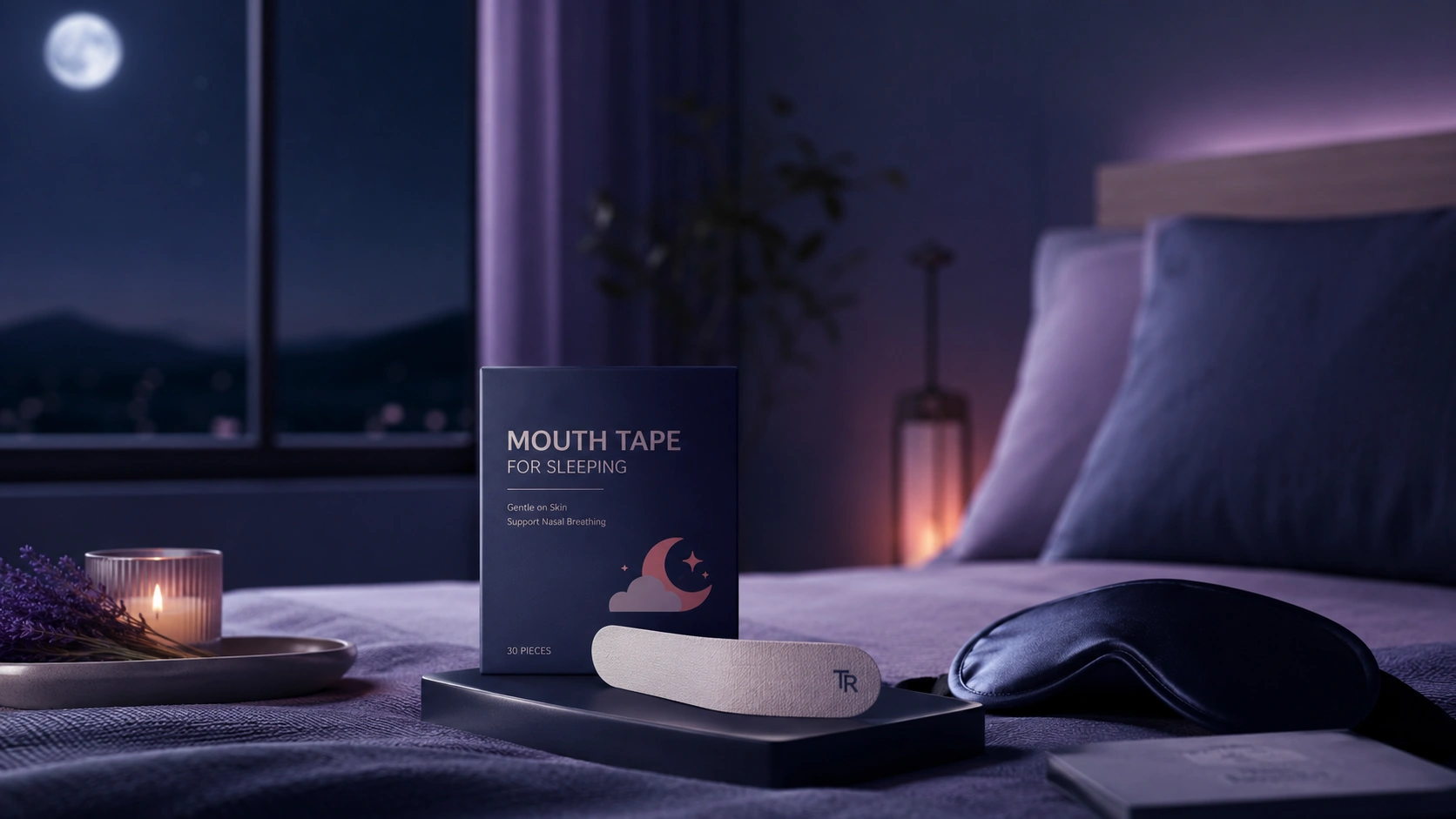
Mouth tape for sleeping is designed to encourage nasal breathing during sleep by gently helping keep the mouth closed.
Supporters of mouth taping claim it may help reduce dry mouth, improve mild snoring, support quieter sleep, and encourage healthier nighttime breathing habits.
At the same time, many people ask: is mouth taping safe?
The answer depends on several factors, including nasal airflow, sleep health, and overall respiratory function. While some users report noticeable benefits, mouth taping is not appropriate for everyone — particularly individuals with untreated sleep apnea, chronic nasal congestion, or certain breathing disorders.
This guide explains:
- how mouth tape works
- potential mouth taping benefits
- risks and safety considerations
- who should avoid mouth taping
- how beginners can start more safely
What Is Mouth Tape for Sleeping?
Mouth tape is a specially designed adhesive strip placed over the lips before bed to encourage breathing through the nose instead of the mouth.
Unlike household tape, sleep mouth tape products are typically:
- skin-friendly
- breathable
- designed for gentle removal
- shaped for overnight comfort
The goal is not to completely “seal” the mouth shut. Instead, mouth tape acts as a behavioral reminder that encourages nasal breathing during sleep.
Why Nasal Breathing Matters During Sleep
Nasal breathing plays an important role in respiratory function and sleep quality.
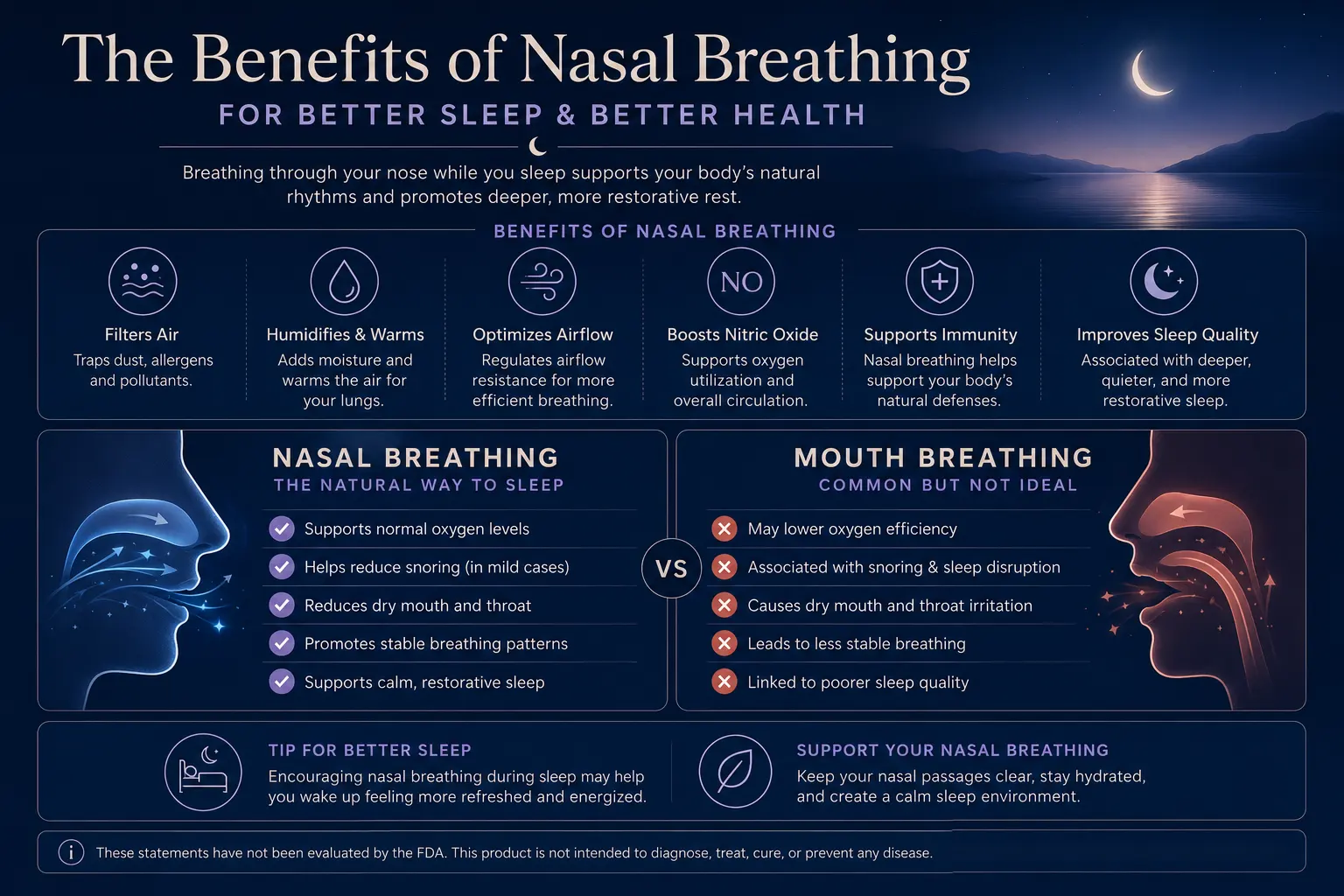
Compared with mouth breathing, breathing through the nose may help:
- filter airborne particles
- humidify incoming air
- regulate airflow resistance
- support nitric oxide production
- reduce throat dryness
Some sleep experts believe chronic mouth breathing may contribute to:
- dry mouth
- snoring
- fragmented sleep
- poor sleep quality
- morning bad breath
Nasal breathing is also associated with more stable airflow patterns during sleep.
Potential Mouth Taping Benefits
Research on mouth taping is still limited, but there are several reasons people experiment with it as part of broader sleep optimization routines.
1. May Help Reduce Mild Snoring
Some mild snoring is associated with open-mouth breathing during sleep.
By encouraging nasal breathing, mouth tape may help reduce airway vibration in certain individuals.
However, loud or chronic snoring may indicate obstructive sleep apnea and should be medically evaluated.
2. May Reduce Dry Mouth and Morning Throat Irritation
Many mouth breathers wake up with:
- dry mouth
- sore throat
- sticky saliva
- unpleasant morning breath
Because nasal breathing naturally helps retain moisture, some users report waking up feeling less dry and irritated.
3. May Encourage More Stable Breathing Patterns
Some users report feeling calmer or sleeping more comfortably when breathing through the nose.
Nasal breathing may support:
- slower breathing rhythms
- improved carbon dioxide tolerance
- reduced nighttime overbreathing
These mechanisms are frequently discussed in breathing-focused sleep and wellness communities.
4. May Support Better Sleep Comfort
Preliminary research suggests nasal breathing may support:
- improved sleep efficiency
- reduced sleep fragmentation
- quieter sleep patterns
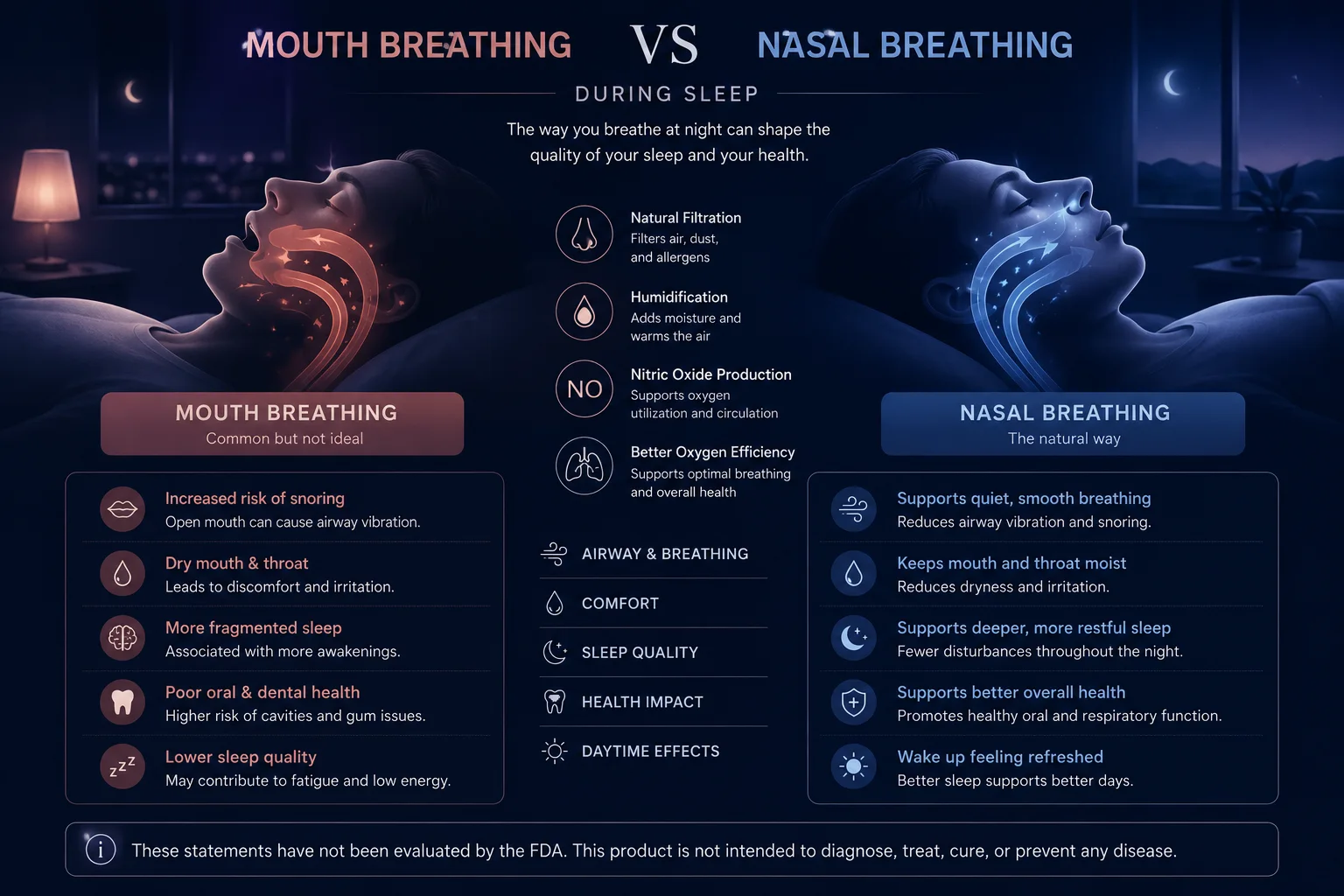
However, more large-scale clinical research is still needed.
👉 Mouth taping should be viewed as a behavioral sleep tool — not a guaranteed medical treatment.
Is Mouth Taping Safe?
For healthy adults with comfortable nasal breathing, mouth taping is generally considered low risk when used carefully and conservatively.
However, mouth taping is not universally safe.
You Should Avoid Mouth Taping If You:
- cannot comfortably breathe through your nose
- have untreated sleep apnea
- experience severe nasal congestion
- are intoxicated or heavily sedated
- have certain respiratory or cardiovascular conditions
- experience nighttime panic or claustrophobia
- have adhesive-related skin sensitivities
Children should generally avoid mouth taping unless specifically advised and supervised by a qualified pediatric healthcare professional.
Risks and Side Effects of Mouth Taping
Possible side effects may include:
- skin irritation
- anxiety or discomfort
- lip irritation
- disrupted sleep
- feelings of panic in sensitive individuals
- breathing discomfort if nasal airflow becomes restricted
The most important safety concern is impaired breathing if nasal airflow becomes blocked during sleep.
This is why testing nasal breathing before trying mouth tape is essential.
If you experience:
- breathing difficulty
- chest tightness
- panic
- severe congestion
- persistent discomfort
remove the tape immediately and discontinue use. Seek medical attention if symptoms continue.
How to Check Whether You Can Breathe Comfortably Through Your Nose
Before trying mouth tape, test your nasal breathing during the day.
Ask yourself:
- Can you comfortably breathe through your nose for several minutes?
- Do you frequently feel congested?
- Do you rely heavily on mouth breathing during exercise or sleep?
- Do you wake up gasping, choking, or feeling unrested?
If nasal breathing feels difficult, address the underlying issue first rather than forcing mouth closure.
Potential causes of chronic mouth breathing may include:
- allergies
- deviated septum
- enlarged turbinates
- chronic congestion
- sleep apnea
How to Start Mouth Taping Safely

If you decide to try mouth tape, start conservatively and prioritize comfort and safety.
Step 1: Improve Nasal Breathing First
Before using mouth tape overnight:
- practice nasal breathing during the day
- improve bedroom humidity if dryness is an issue
- consider saline rinses for congestion
- avoid overly dry sleeping environments
Step 2: Choose Sleep-Specific Mouth Tape
Avoid using strong household tapes or overly aggressive adhesives.
Look for products that are:
- hypoallergenic
- breathable
- designed specifically for sleep
- easy to remove
Step 3: Start With Partial Taping
Beginners may prefer:
- vertical taping
- small center strips
- “X”-style taping patterns
These approaches may feel less restrictive and allow easier mouth opening if needed.
Step 4: Test Gradually
Before sleeping overnight with mouth tape:
- try short daytime sessions
- test while reading or relaxing
- begin with limited overnight use
Stop immediately if you feel:
- anxious
- unable to breathe comfortably
- panicked
- significantly congested
Mouth Tape and Sleep Apnea
This is one of the most important safety considerations.
Mouth taping is not a replacement for diagnosing or treating obstructive sleep apnea.
Possible symptoms of sleep apnea include:
- loud snoring
- gasping during sleep
- witnessed breathing pauses
- morning headaches
- excessive daytime fatigue
Anyone with suspected or diagnosed sleep apnea should seek professional medical evaluation before considering mouth taping.
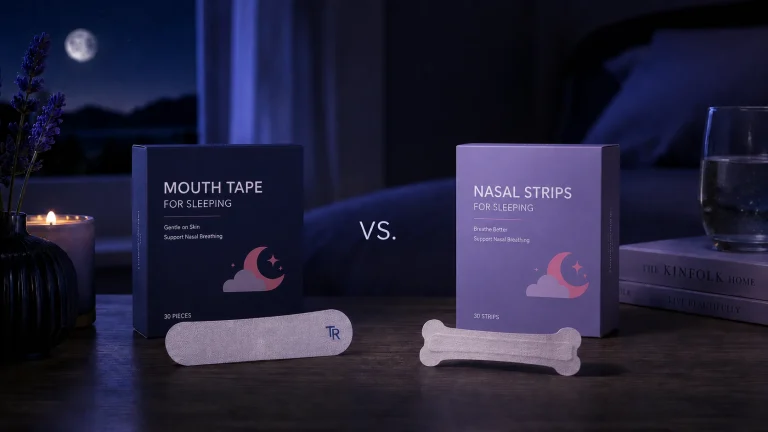
Mouth Tape vs Nasal Strips
| Feature | Mouth Tape | Nasal Strips |
|---|---|---|
| Primary Goal | Encourage nasal breathing | Open nasal passages |
| Best For | Mouth breathing habits | Nasal congestion |
| Snoring Support | May help mild mouth-breathing-related snoring | Congestion-related snoring |
| Airflow Support | Indirect | Direct |
| Beginner Friendly | Moderate | Easier for most users |
Some people combine both approaches to support nasal airflow and reduce nighttime mouth breathing.
👉 Related reading:
- /blog/physical-aids/mouth-tape-vs-nasal-strips
- /blog/physical-aids/mouth-breathing-side-effects-on-face
Who Might Benefit Most From Mouth Taping?
Mouth tape may be more suitable for adults who:
- primarily breathe through the mouth at night
- wake up with dry mouth
- experience mild snoring
- can comfortably breathe through the nose
- want to improve nighttime breathing habits
It may not be appropriate for individuals with significant breathing disorders or untreated sleep conditions.
Final Verdict
Mouth tape for sleeping has become increasingly popular as part of the broader nasal breathing and sleep optimization trend.
Some users report improvements in:
- dry mouth
- mild snoring
- breathing awareness
- overall sleep comfort
However, mouth taping is not risk-free and should be approached thoughtfully.
The safest approach is to:
- prioritize healthy nasal breathing first
- use sleep-specific products
- start gradually
- stop immediately if breathing feels restricted
For many people, improving nighttime breathing habits may matter more than the tape itself.
Sleep tools should support healthy sleep habits — not replace professional medical care when needed.
🌙 Explore Better Sleep Habits Naturally
Interested in non-melatonin sleep optimization tools?
Explore:
- nasal breathing sleep support
- calming nighttime routines
- physical sleep aids designed for comfort and recovery
Related guides:
- /blog/physical-aids/mouth-tape-vs-nasal-strips
- /blog/physical-aids/mouth-breathing-side-effects-on-face
- /blog/environment-lifestyle/how-to-sleep-better-without-drugs